
Introduction
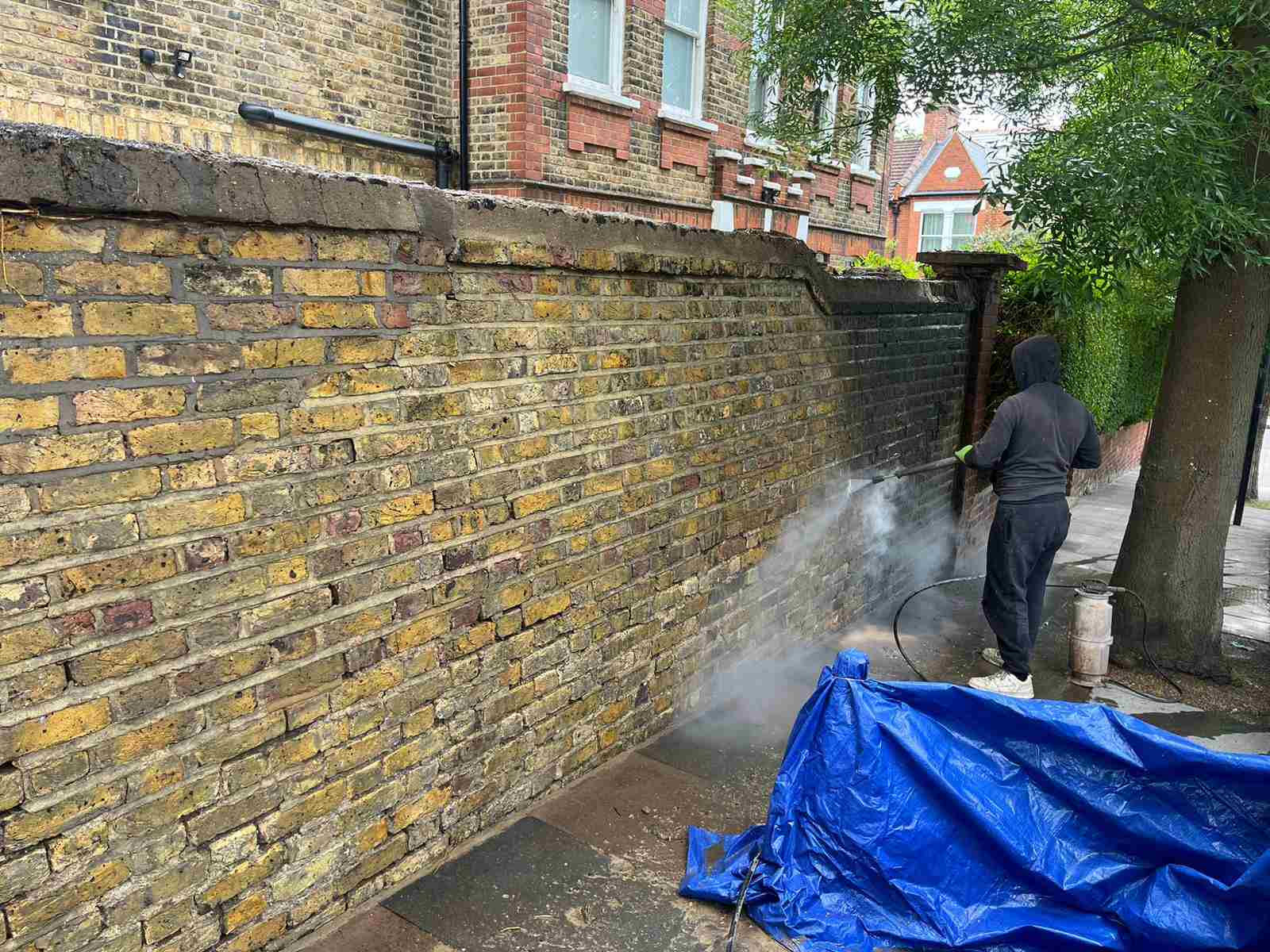
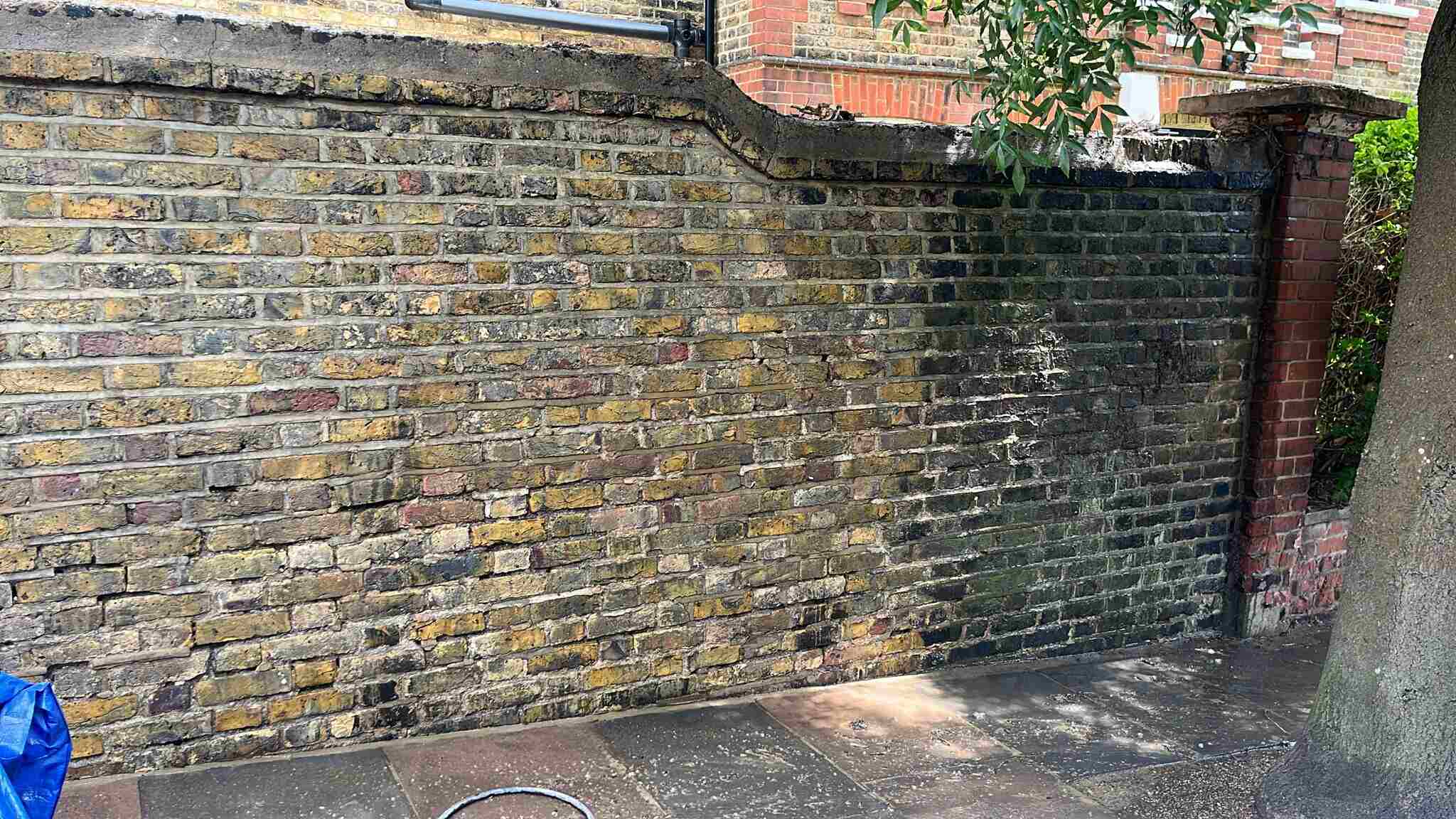
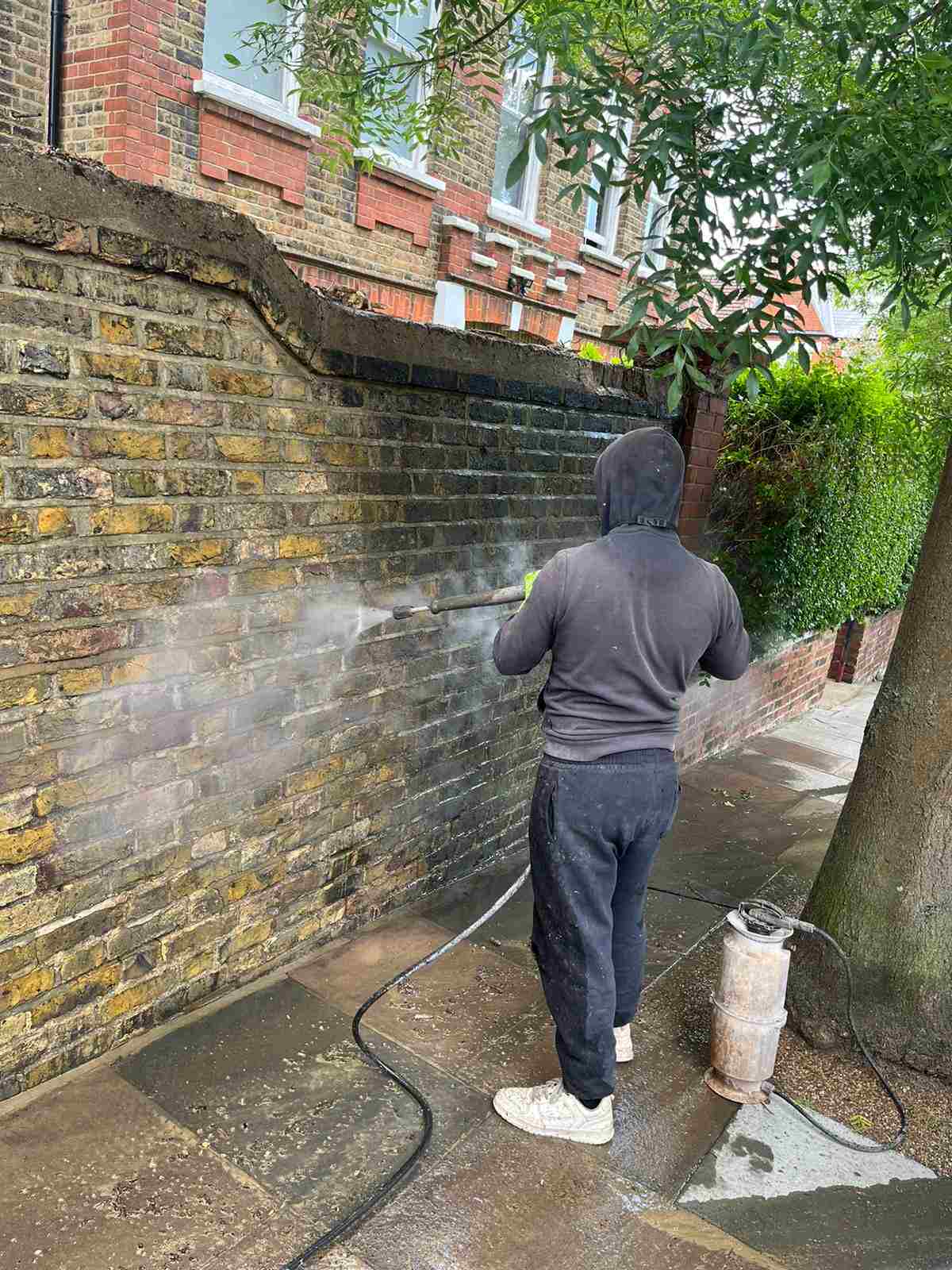
Brickwork gives London homes so much character—but over time, dirt, pollution, moss, and moisture can dull it, cause damage, or even hide underlying issues. Cleaning and protecting your brickwork doesn’t have to be risky. Done correctly, it enhances appearance and durability. At DW Brickwork Restoration, we’ve seen what works (and what doesn’t). Here’s your guide to cleaning & protecting bricks the right way.
Why Proper Brick Cleaning Is Important
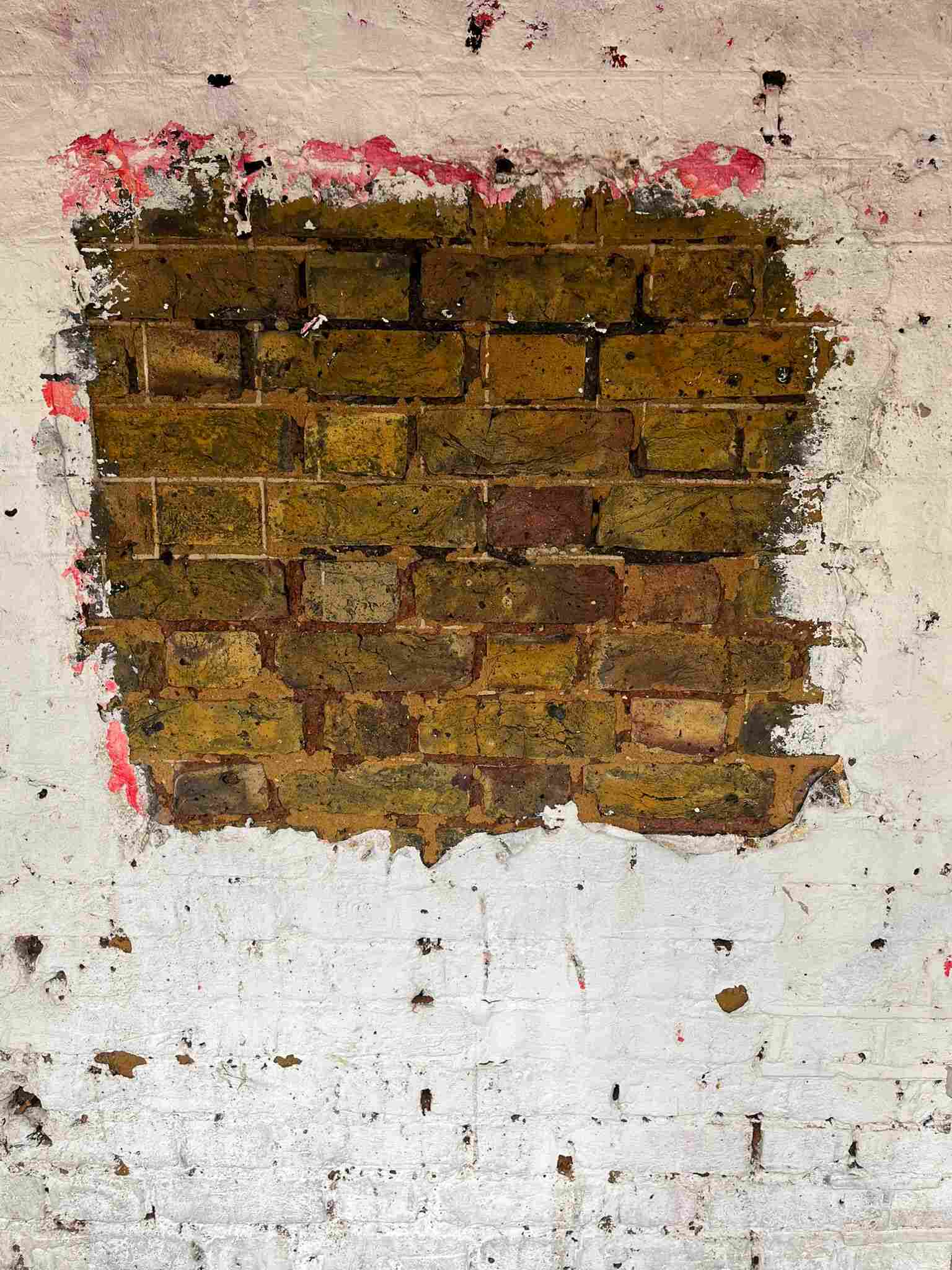
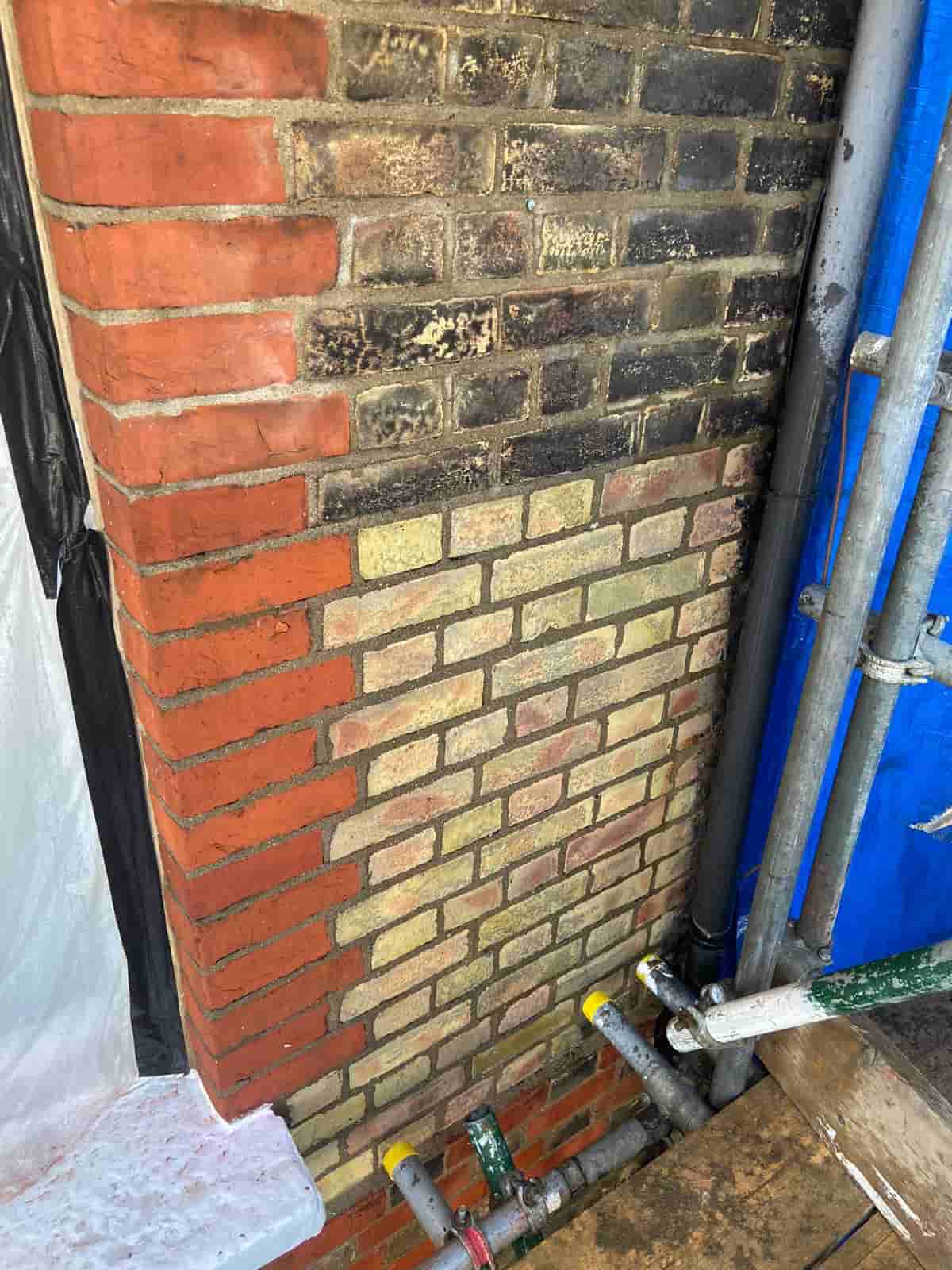
- Restores original colour and aesthetic appeal — dirt and soot can make bricks look flat, dark, or stained.
- Removes biological growth (moss, algae, lichen) that retains moisture and can degrade mortar over time.
- Helps reveal underlying issues: cracked bricks, weak mortar, or structural damage.
- Improves property value and curb appeal — a clean facade makes a big difference.
Common Cleaning Methods & Their Pros & Cons
| Cleaning Method | Pros | Cons / Risks |
| Soft wash (low‑pressure water + gentle brush) | Gentle, less risk to brick or mortar, good for mild staining | More labour, slower; may not remove tough stains |
| Chemical cleaners (suitable brick cleaners) | Can remove specific stains like rust, paint, pollution build‑up | Must be used carefully; wrong chemicals can damage mortar or brick glaze |
| Steam cleaning | Deep clean, less chemical residue, good for detailed areas | Expensive; need expertise; possible moisture penetration if not dried properly |
| High‑pressure / power washing | Fast, dramatic results for large flat areas | Can erode mortar, damage soft brick surfaces, cause water to drive behind walls if done incorrectly |
Protective Treatments That Actually Work
- Breathable sealants and water repellents (e.g. silane / siloxane‑based) that let moisture vapour escape; avoid non‑breathable coatings that trap moisture.
- Anti‑moss / anti‑fungal treatments to prevent regrowth after cleaning.
- Good flashing, guttering, downpipes so water is diverted away; prevents splash back onto the bricks.
- Vegetation control — regular removal of moss and vines so roots or trapped moisture don’t damage mortar.
When to Clean Yourself vs Hiring Professionals
DIY Might Be Appropriate If:
- The staining/moss growth is light and surface‑level.
- The wall is accessible and safe to reach.
- You use gentle methods (soft brush, mild cleaners) and know the brick type.
Professional Help Recommended When:
- The brick is soft or historic (heritage property) and requires conservation methods.
- The stains are heavy, or there’s paint or render removal involved.
- There are signs of structural damage or moisture ingress.
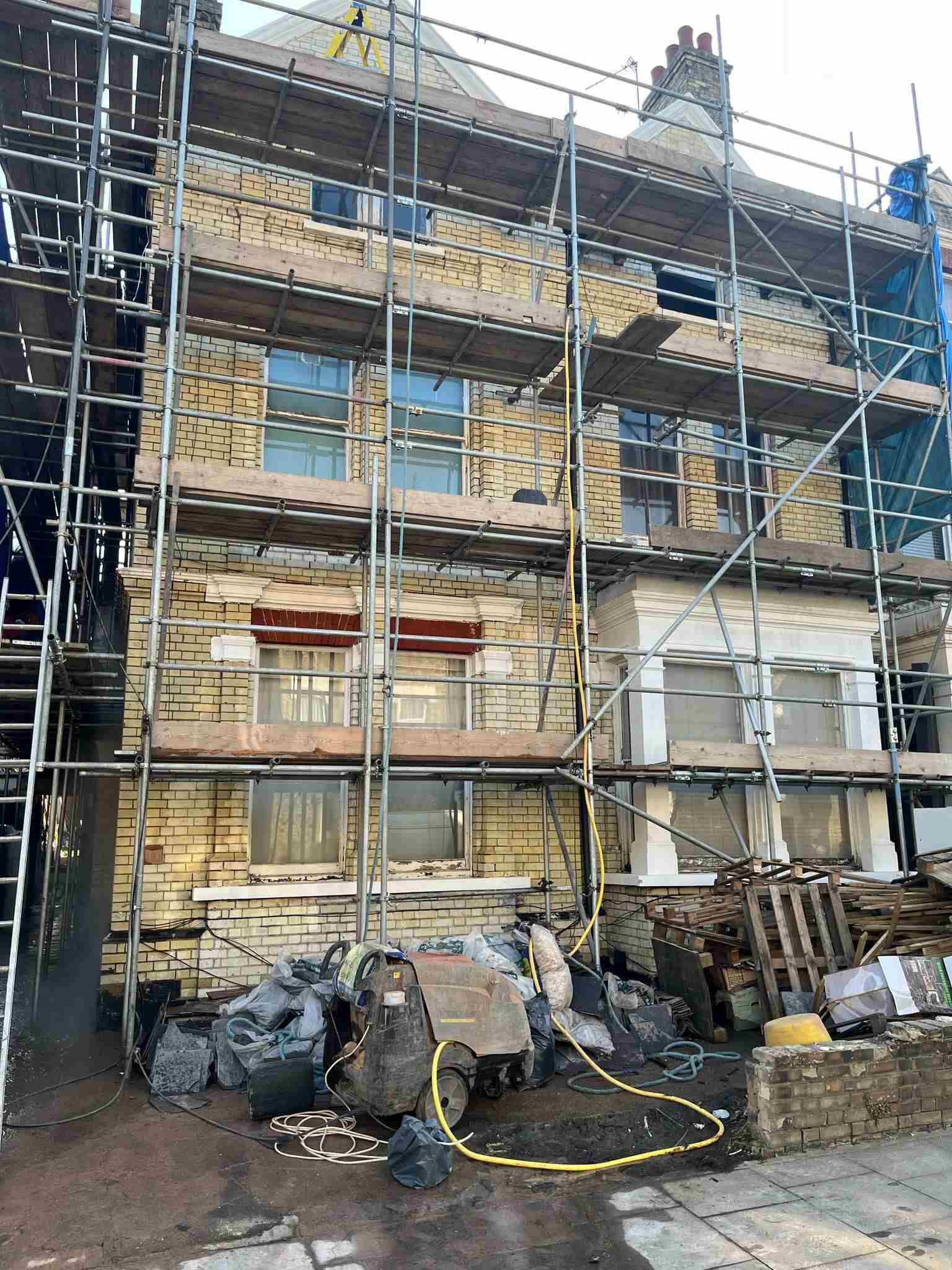
- Safety/height/access issues; need for scaffold or specialist equipment.
Tips to Maintain Clean & Healthy Brickwork
- Regularly rinse off pollutants & dirt (e.g. after heavy traffic, construction near your home).
- Keep gutters, downpipes, and flashings in good condition to avoid water overflow.
- Inspect brickwork annually for minor damage, moss growth, or salt deposits (efflorescence).
- Avoid planting ivy or vines directly against walls; roots can degrade mortar.
- After cleaning, monitor for re‑growth of moss/algae, damp patches; address quickly.
Conclusion
Your brickwork speaks volumes about your home. Clean, protected brickwork lasts longer, looks better, and avoids costly repairs down the road. If you’re considering cleaning or protective treatments but don’t want to take risks, DW Brickwork Restoration is here to help. We specialise in safe, effective methods and matching the right approach to your property’s age & style. Get in touch for a consultation.