Brick cleaning is essential for preserving the appearance, value, and structural integrity of buildings. However, not all cleaning methods are suitable—especially for heritage, period, or delicate brickwork.
That is why chemical-free brick cleaning has become one of the most preferred restoration techniques across London.
This blog explains what chemical-free brick cleaning is, when it should be used, and why it is the safest option for many properties.
What Is Chemical-Free Brick Cleaning?
Chemical-free brick cleaning refers to cleaning techniques that do not use acidic, caustic, or abrasive chemicals.
Instead, it relies on:
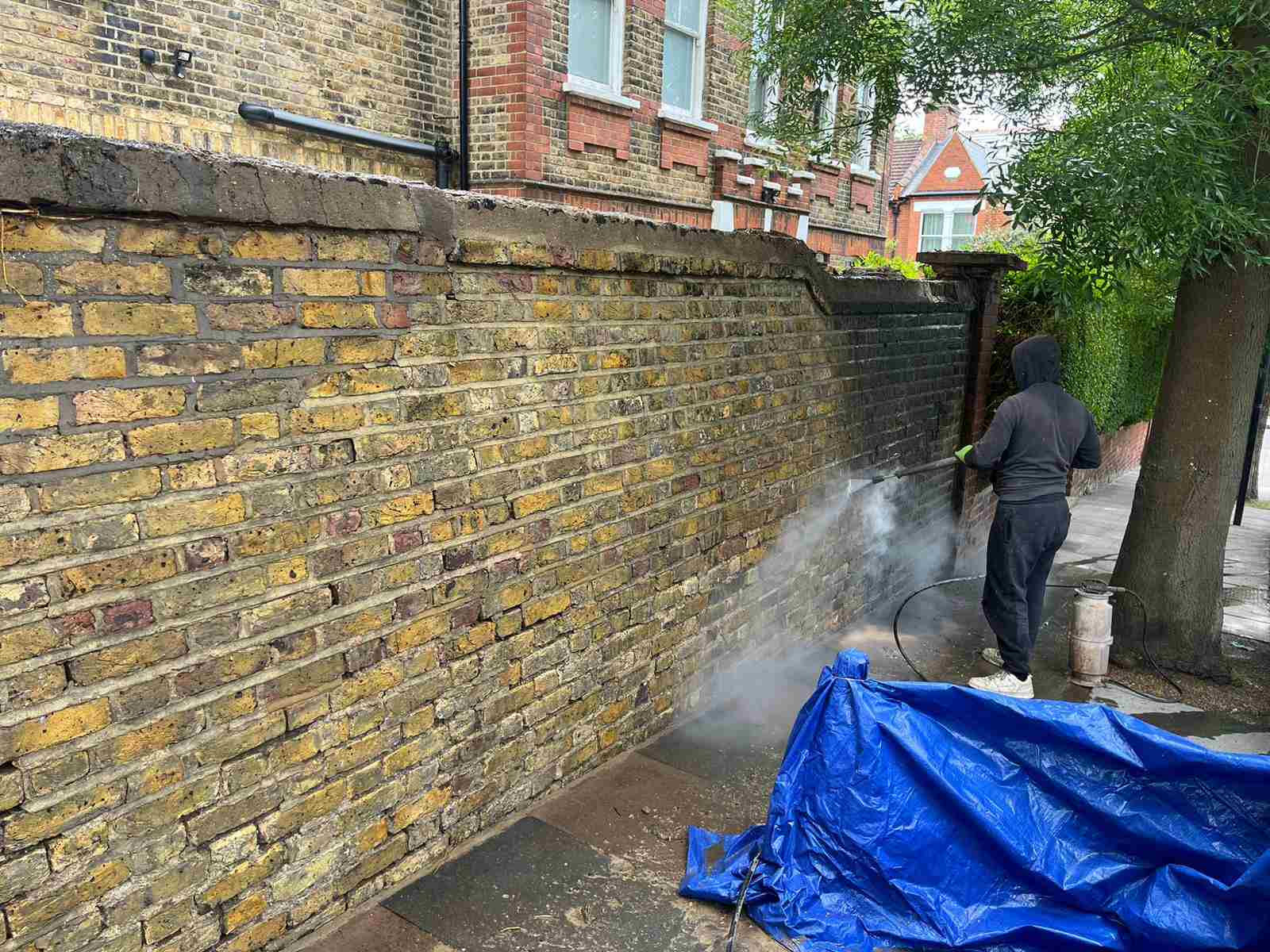
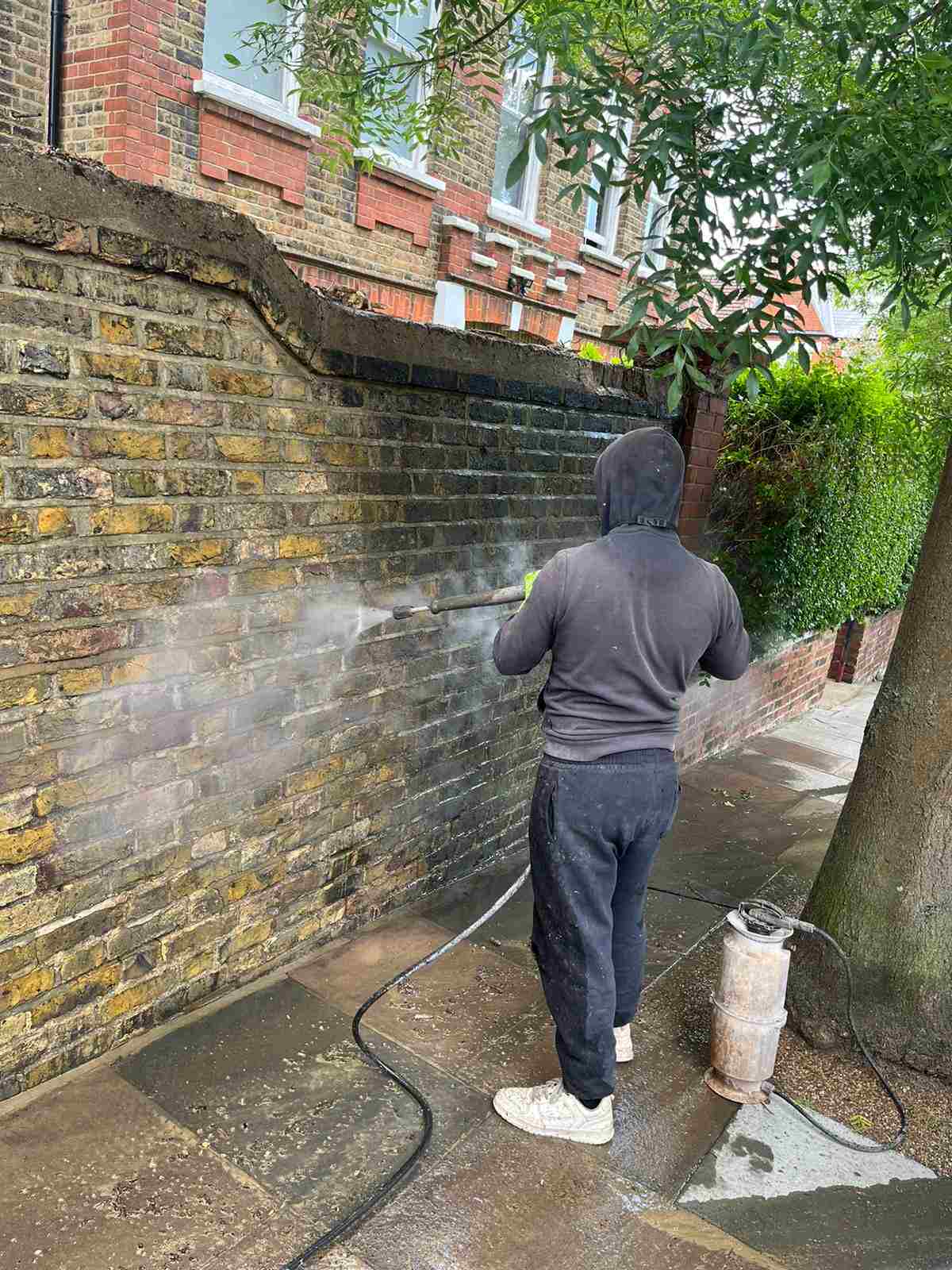
- Steam cleaning systems (like DOFF)
- Low-pressure hot water cleaning
- Mechanical soft brushing
- Natural residue breakdown
- Pure water washing
This makes it ideal for buildings where bricks and mortar must be protected from damage.
Why Choose Chemical-Free Cleaning?
✅ 1. No Damage to Brickwork
Harsh chemicals can burn or weaken brick faces.
Chemical-free methods clean safely without altering the brick’s integrity.
✅ 2. Perfect for Heritage Properties
North London, South London, and Central London all have conservation areas with strict cleaning rules.
Chemical-free cleaning is approved for:
- Grade I & II listed buildings
- Historic brick façades
- Conservation zones
✅ 3. Eco-Friendly
No chemicals = no environmental contamination.
✅ 4. Safe for Mortar Joints
Cement and lime mortar remain fully intact.
✅ 5. Suitable for Multiple Surface Types
Like DOFF, chemical-free methods work on:
- Brick
- Stone
- Terracotta
- Render
- Masonry features
What Can Be Cleaned Without Chemicals?
Chemical-free cleaning effectively removes:
- Algae
- Moss
- Lichen
- Pollution stains
- Bird fouling
- Surface dirt
- Efflorescence
- General weathering
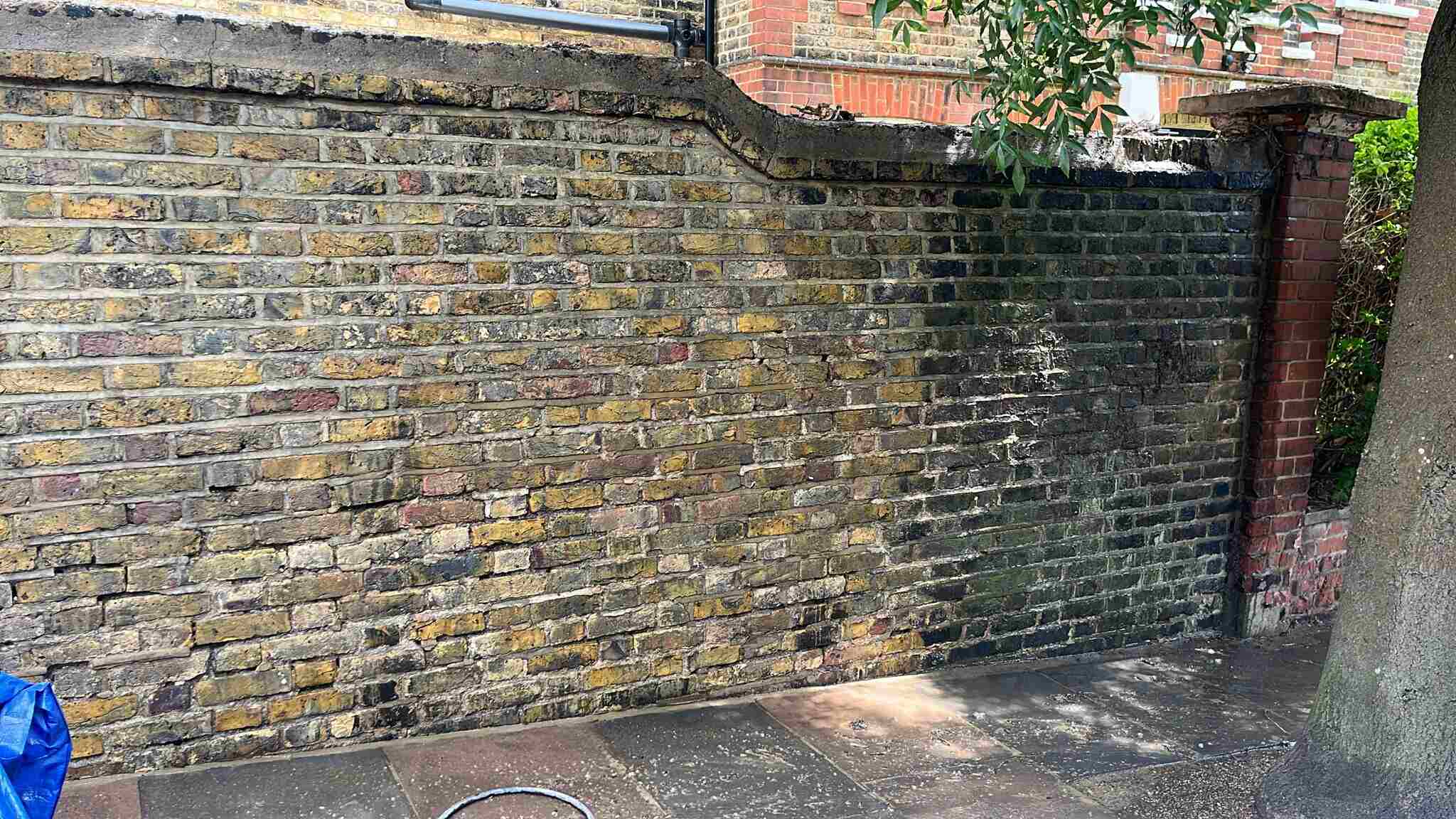
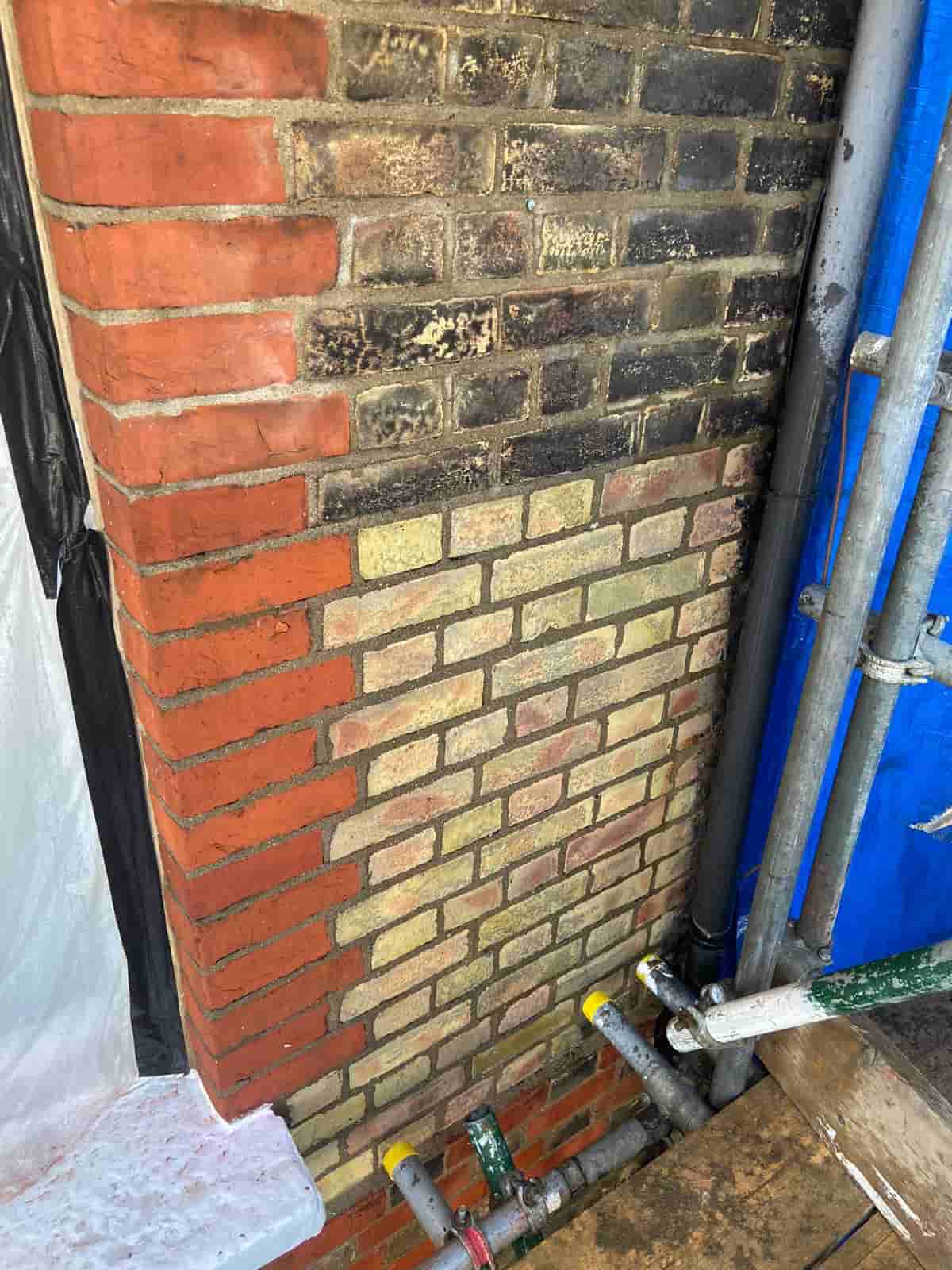
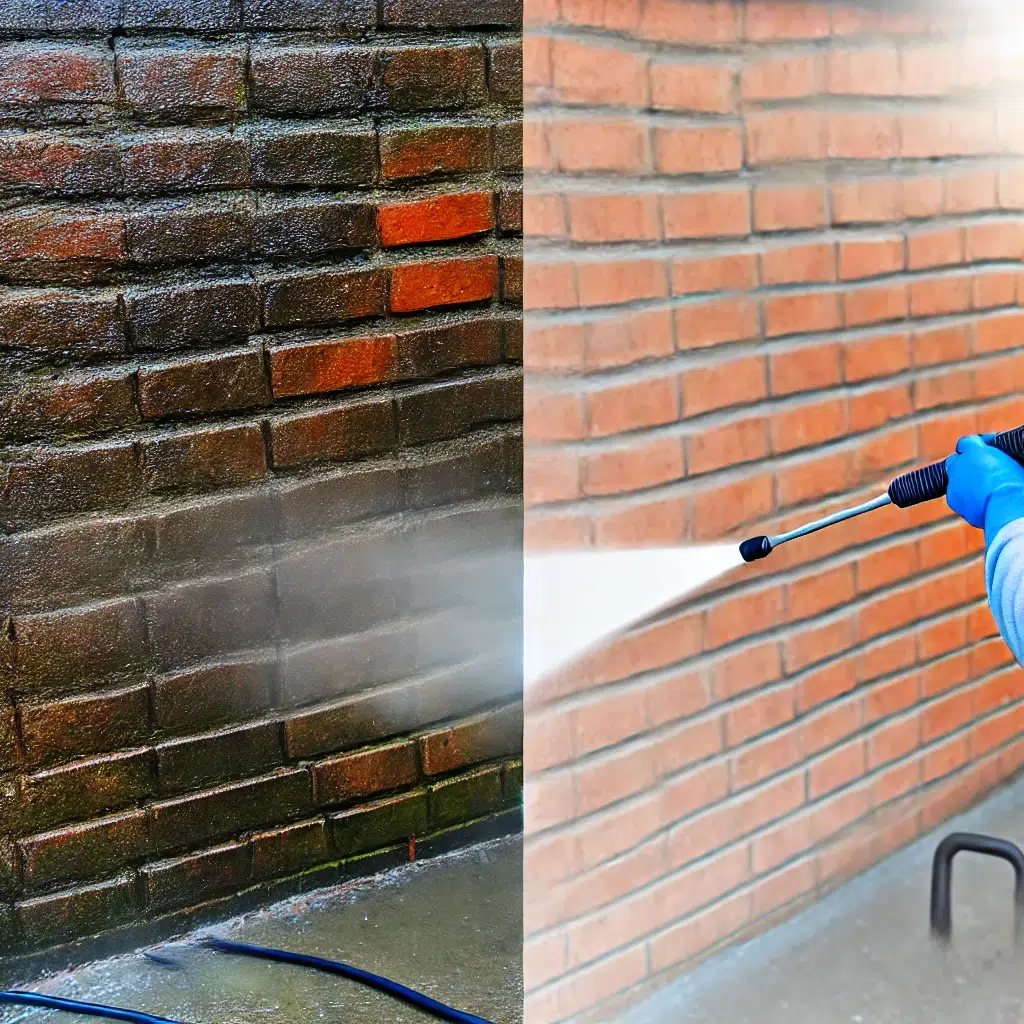
It restores the natural brick colour without strong acids or abrasive compounds.
Methods Used in Chemical-Free Brick Cleaning
🔹 1. DOFF Superheated Steam
A high-temperature, low-pressure cleaning method ideal for sensitive brickwork.
🔹 2. Low-Pressure Hot Water Washing
Safe for newer brickwork and light dirt.
🔹 3. Hand or Mechanical Soft Brushing
Good for detailed areas or gentle cleaning needs.
🔹 4. Pure Water Rinsing
Removes dust and particles without streaking.
When Is Chemical-Free Cleaning the Best Choice?
This method is particularly recommended for:
- Heritage homes
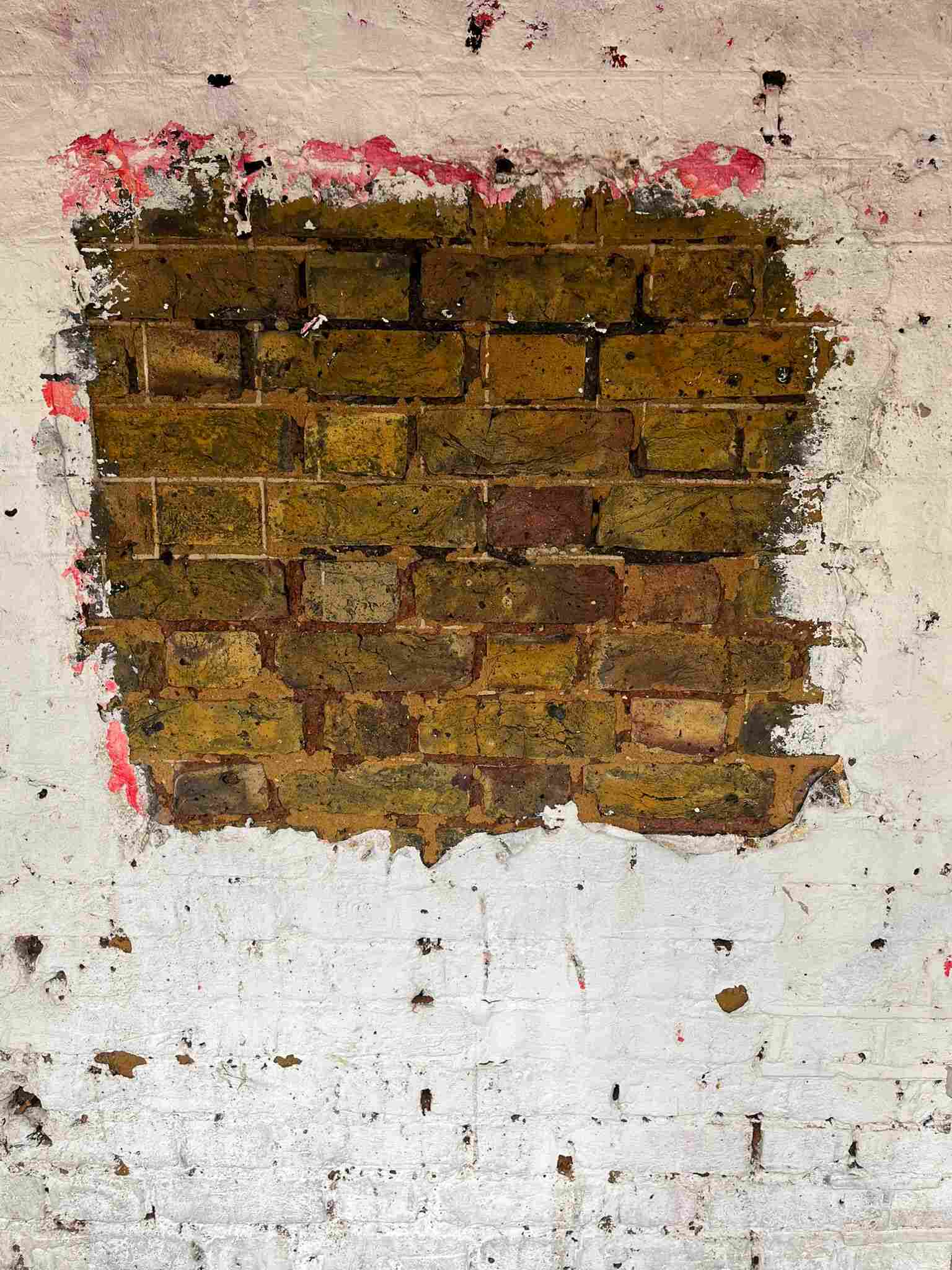
- Painted brick pre-cleaning
- Buildings with soft or porous brick
- Properties requiring gentle cleaning
- Pre-restoration surveys
- Light-to-medium pollution exposure
If the brickwork cannot tolerate chemicals, steam or water-based cleaning is the safest option.
Conclusion
Chemical-free brick cleaning is one of the most effective, eco-friendly, and property-safe methods used in modern restoration.
It protects the structure, preserves historic character, and leaves brick façades clean and refreshed—without the environmental or structural risks associated with chemical treatments.