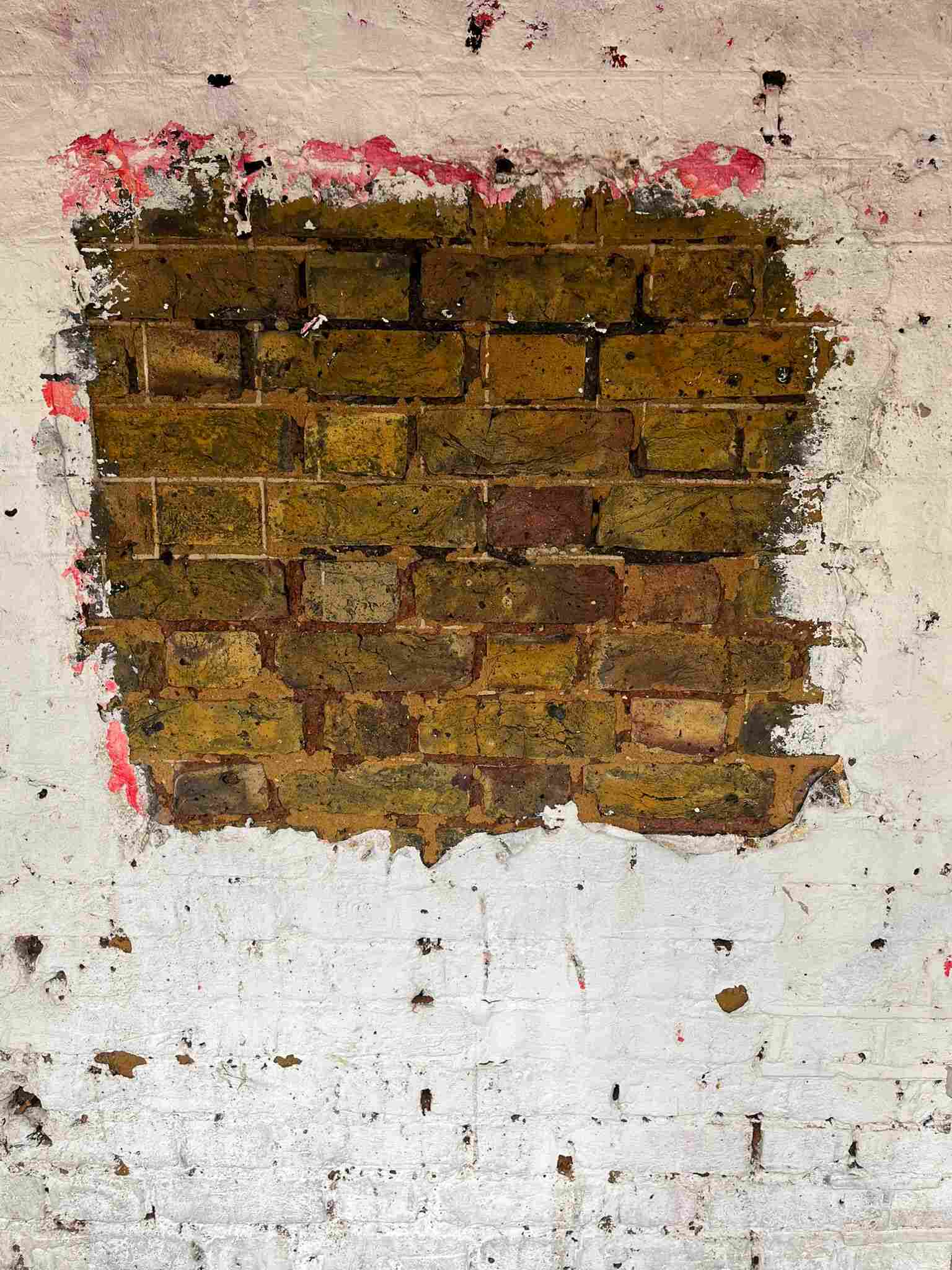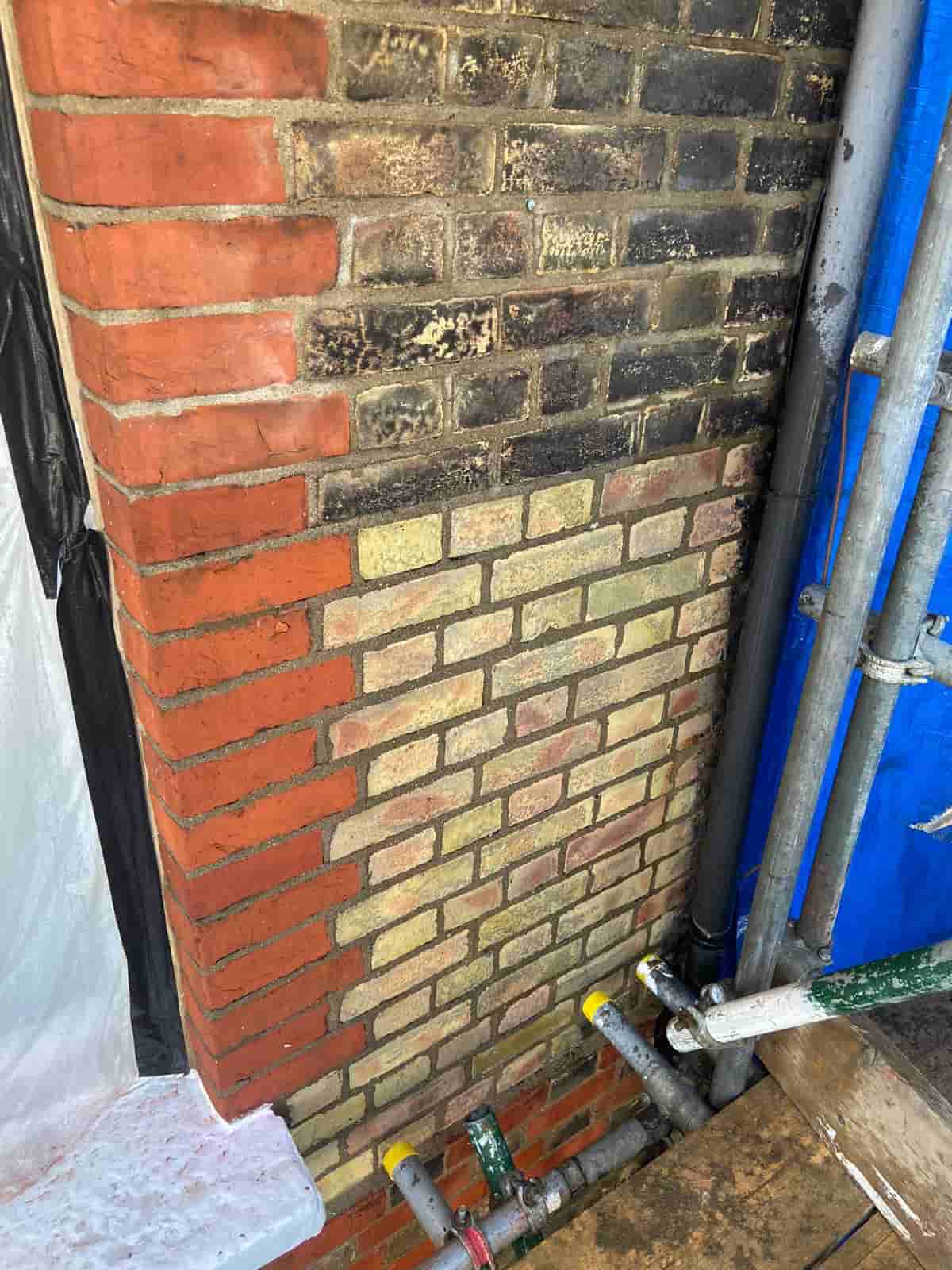
Property owners across London often discover that old paint, coatings, or sealants are not only unattractive but also damaging to brickwork.
Over time, these layers trap moisture, cause damp issues, hide structural problems, and prevent brick façades from breathing naturally.
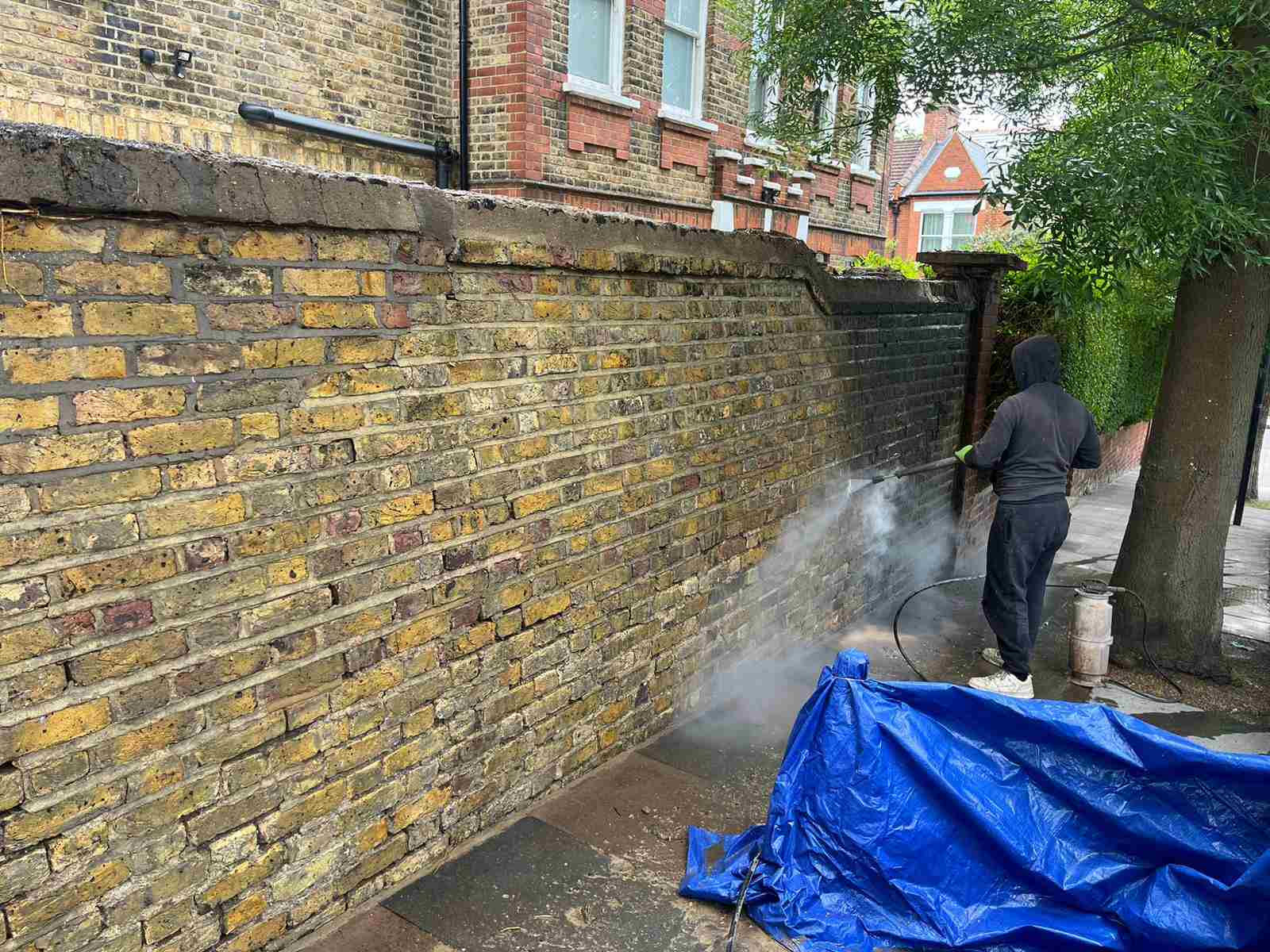
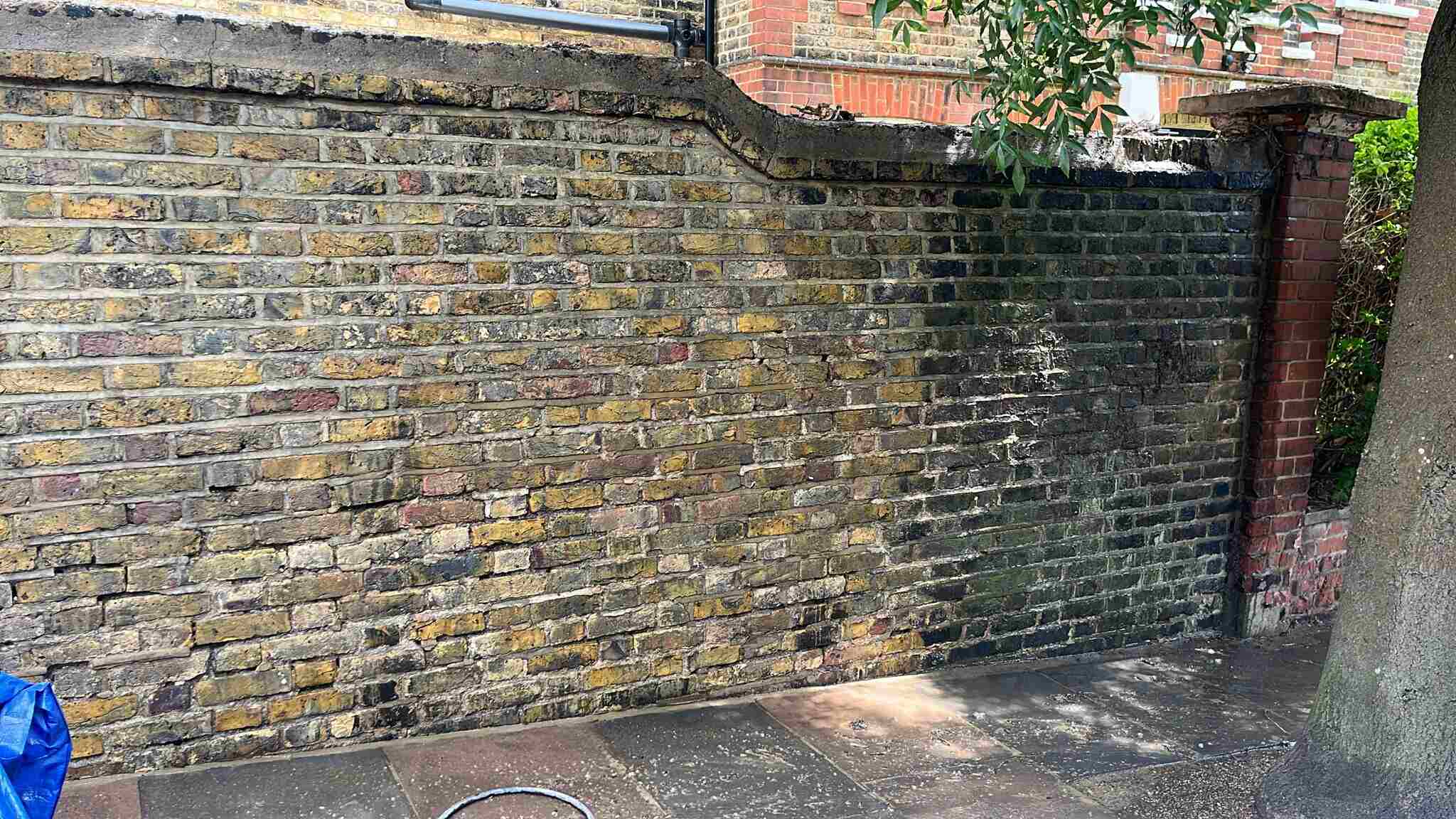
Professional paint and coating removal is the safest and most effective way to restore original brickwork and bring buildings back to their authentic appearance.
Why Do Properties Have Painted or Coated Brickwork?
Throughout the years, bricks may have been coated or painted for a number of reasons:
- To cover imperfections or repairs
- To modernise an older façade
- To seal damp issues (often incorrectly)
- To hide mismatched brickwork
- Due to old trends in the 60s–90s
Unfortunately, these coatings often create more harm than good.
How Paint and Coating Damage Brickwork
Paint traps moisture behind the brick surface. When bricks cannot breathe:
- Damp builds up inside the walls
- Mortar begins to decay
- Frost causes bricks to crack or spall
- Salt deposits form on the surface
- Internal walls may develop mould
- Paint eventually begins peeling and flaking
Removing the coating restores breathability and prevents long-term structural damage.
Professional Methods for Paint & Coating Removal
Not all paint removal methods are safe. Brick is softer than many expect, and using the wrong technique can cause irreversible harm.
Here are the safest, industry-approved methods:
✅ 1. DOFF Steam Paint Removal
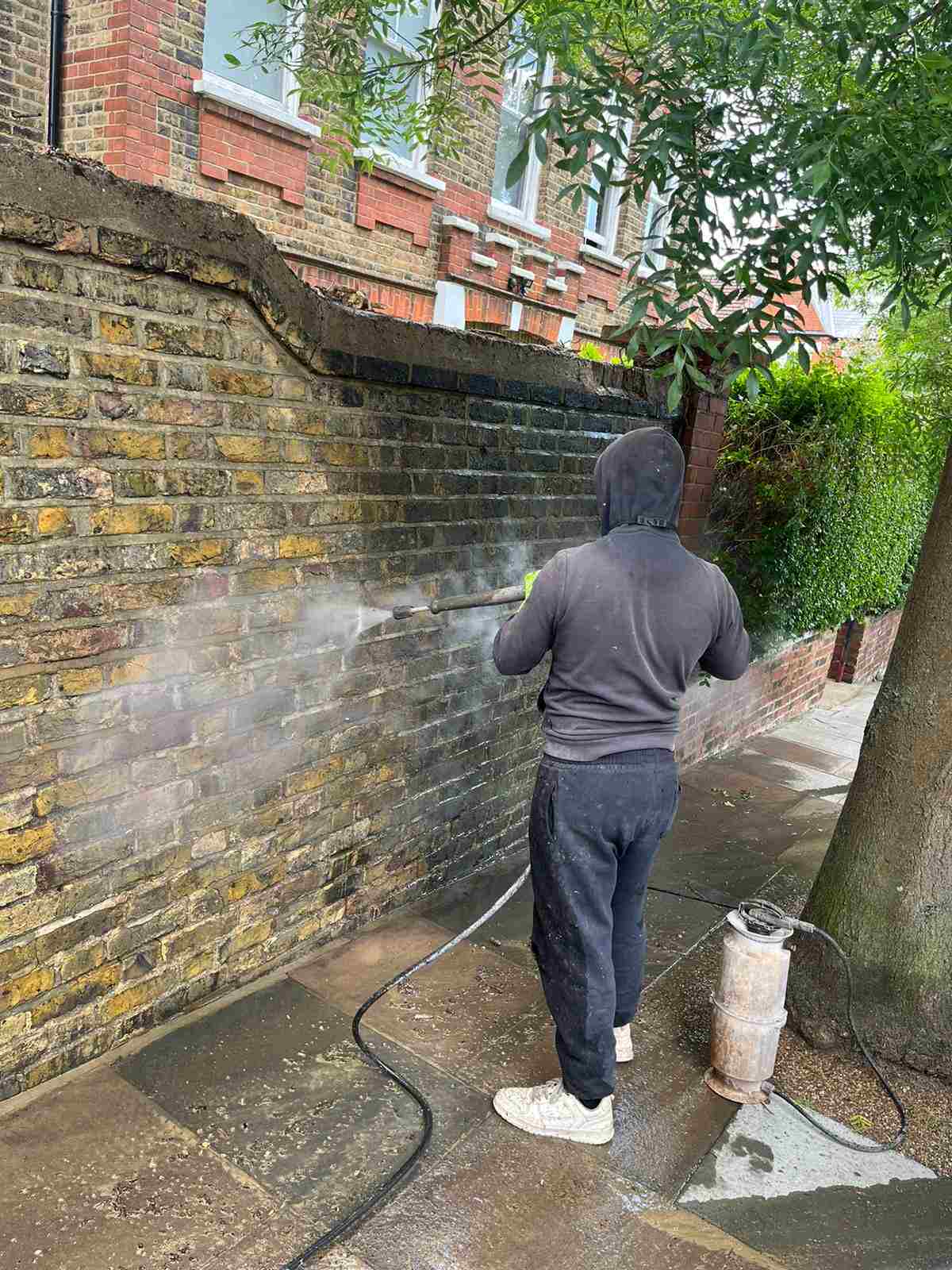
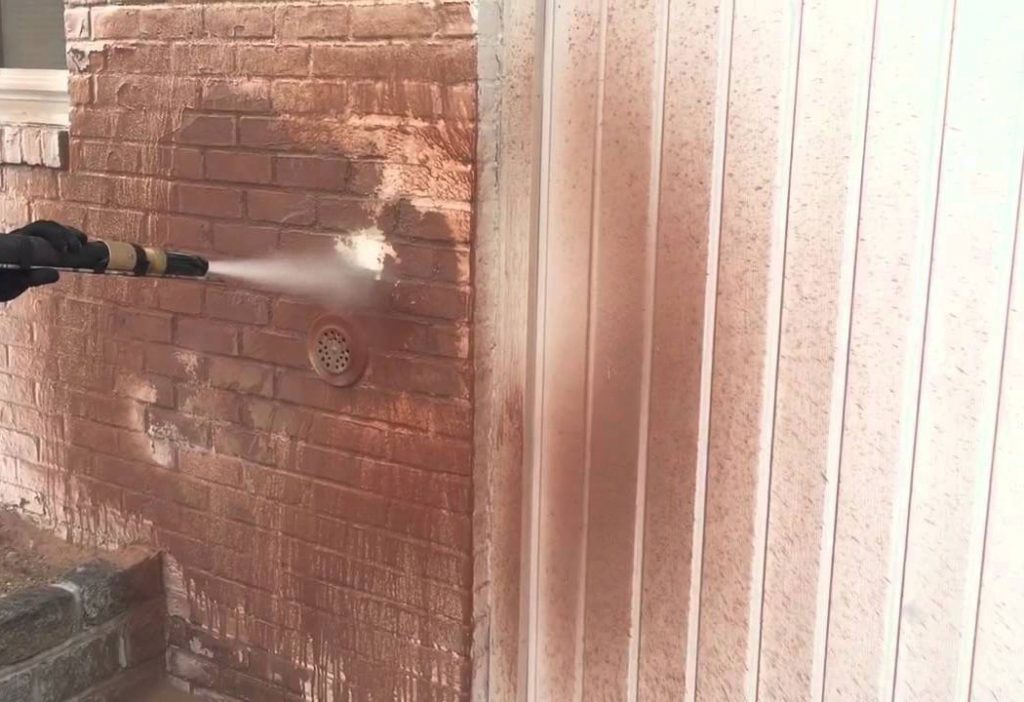
Superheated steam softens and lifts paint without damaging the brick face.
- Best for heritage properties
- Eco-friendly
- Safe for delicate surfaces
✅ 2. Chemical Stripping (Brick-Safe Gels)
Specially formulated non-caustic gels dissolve multiple paint layers.
Ideal for:
- Masonry paint
- Gloss paint
- Oil-based coatings
- Elastomeric paints
These gels do NOT burn or corrode brick surfaces.
✅ 3. TORC System (Rotary Vortex Cleaning)
A gentle swirling mix of air, water, and fine granulate removes:
- Carbon buildup
- Limewash
- Hard paint residues
- Stubborn historic coatings
Perfect for buildings in conservation areas.
✅ 4. Manual Detail Cleaning
Used for:
- Corners
- Decorative features
- Arches and lintels
- Intricate brickwork
Ensures a clean, uniform result.
What Can Be Safely Removed?
- Masonry paint
- Acrylic paint
- Household paint
- Gloss coatings
- Bitumen
- Graffiti layers
- Limewash
- Elastomeric and waterproof coatings
- Protective sealants
- Textured coatings
With the correct technique, even several layers of thick paint can be removed.
When Should Paint Removal Be Considered?
It’s time to remove paint or coatings if you notice:
- Peeling or blistering paint
- Damp patches inside the house
- Discoloured or stained paintwork
- Cracks forming under the surface
- Brick spalling or erosion
- Loss of breathability
- A desire to restore original brick aesthetics
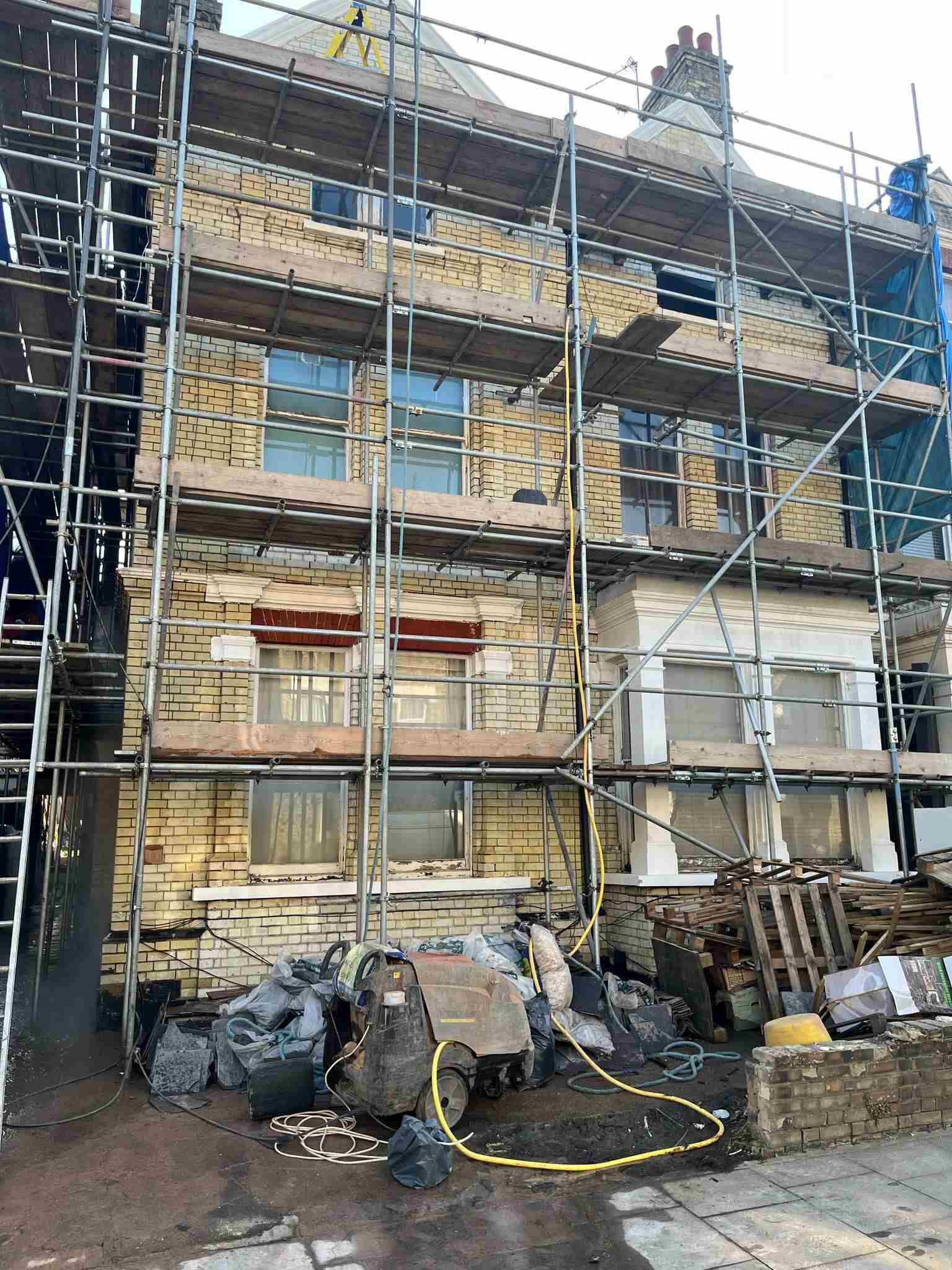
Many London homeowners choose paint removal when preparing for repointing, restoration, or to increase property value.
Benefits of Professional Paint Removal
✅ Restore original brick appearance
✅ Prevent damp and structural issues
✅ Improve breathability
✅ Increase property value
✅ Prepare for brick cleaning or repointing
✅ Reveal hidden defects for repair
Final Thoughts
Paint and coating removal is one of the most transformative property restoration services available.
By stripping away old, failing layers, homeowners unlock the natural charm of their brickwork and protect their investment for decades to come.