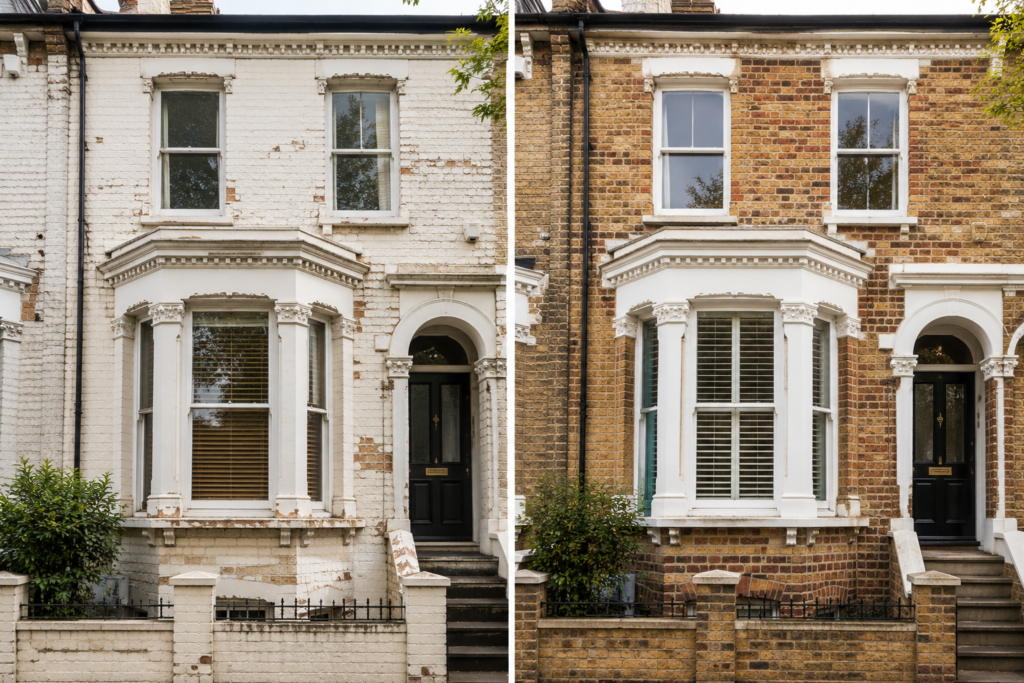
Paint can dramatically alter the appearance of a Victorian property.
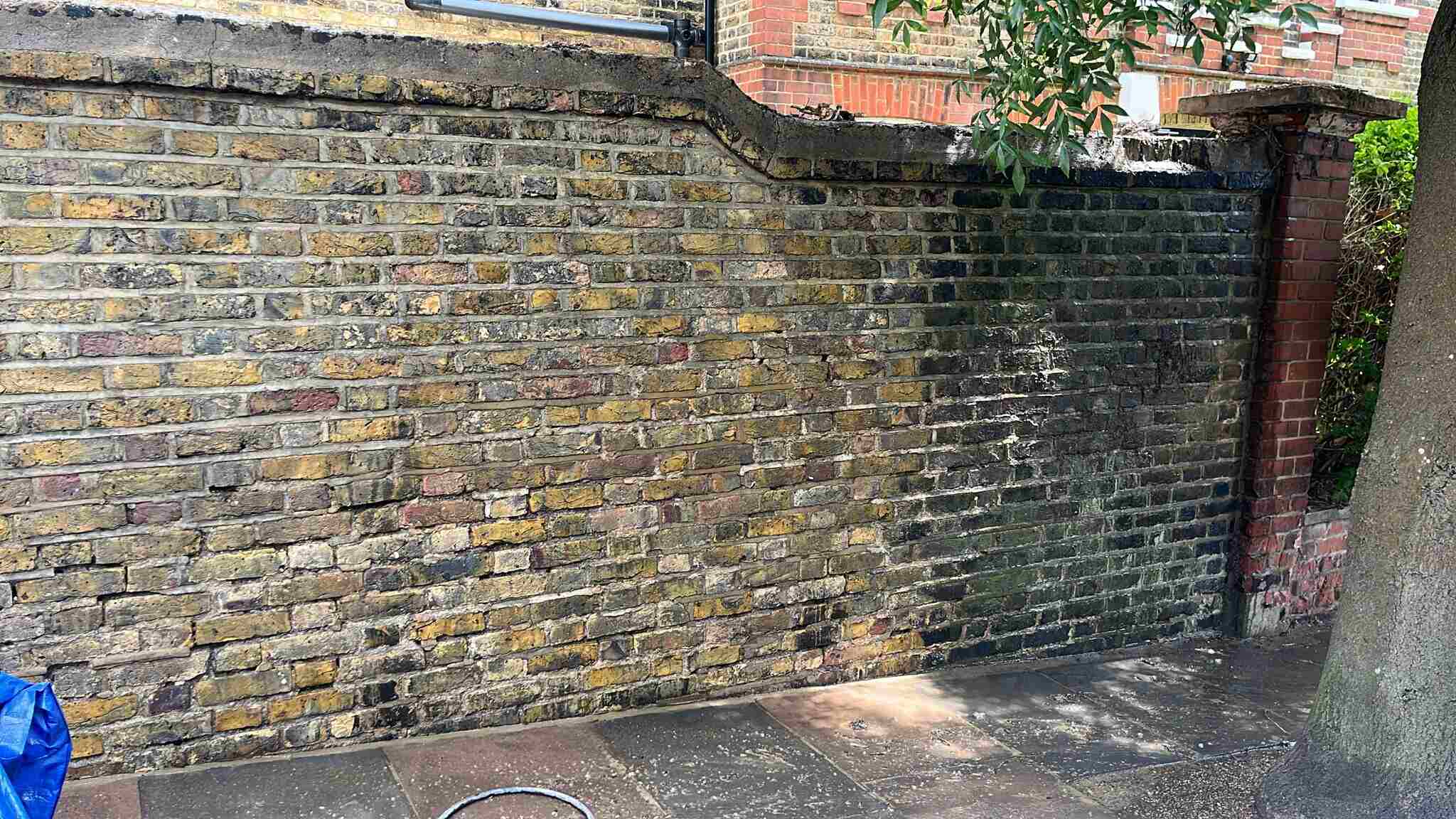
Across London, many nineteenth-century terraces and townhouses have had their original brick façades covered with masonry paint during later renovations. Beneath those coatings may be attractive London stock brick, red brick arches, decorative details and traditional lime mortar that have been hidden for decades.
That leaves homeowners with an important question:
Can paint be removed from Victorian brick without damaging the original masonry?
In many cases, yes.
However, removing paint from old brick requires considerably more care than stripping paint from modern masonry.
Victorian bricks can be softer, more porous and less uniform than modern machine-made bricks. Older mortar may also be lime-based, while the façade may contain several generations of paint, repairs and alterations.
Historic England specifically warns that modern paint can be extremely difficult to remove from old masonry without causing damage, which is why existing painted historic walls should be assessed carefully before stripping begins.
The safest process normally involves:
assessment → test patch → suitable paint-softening/removal method → careful cleaning → brick repairs → repointing where required
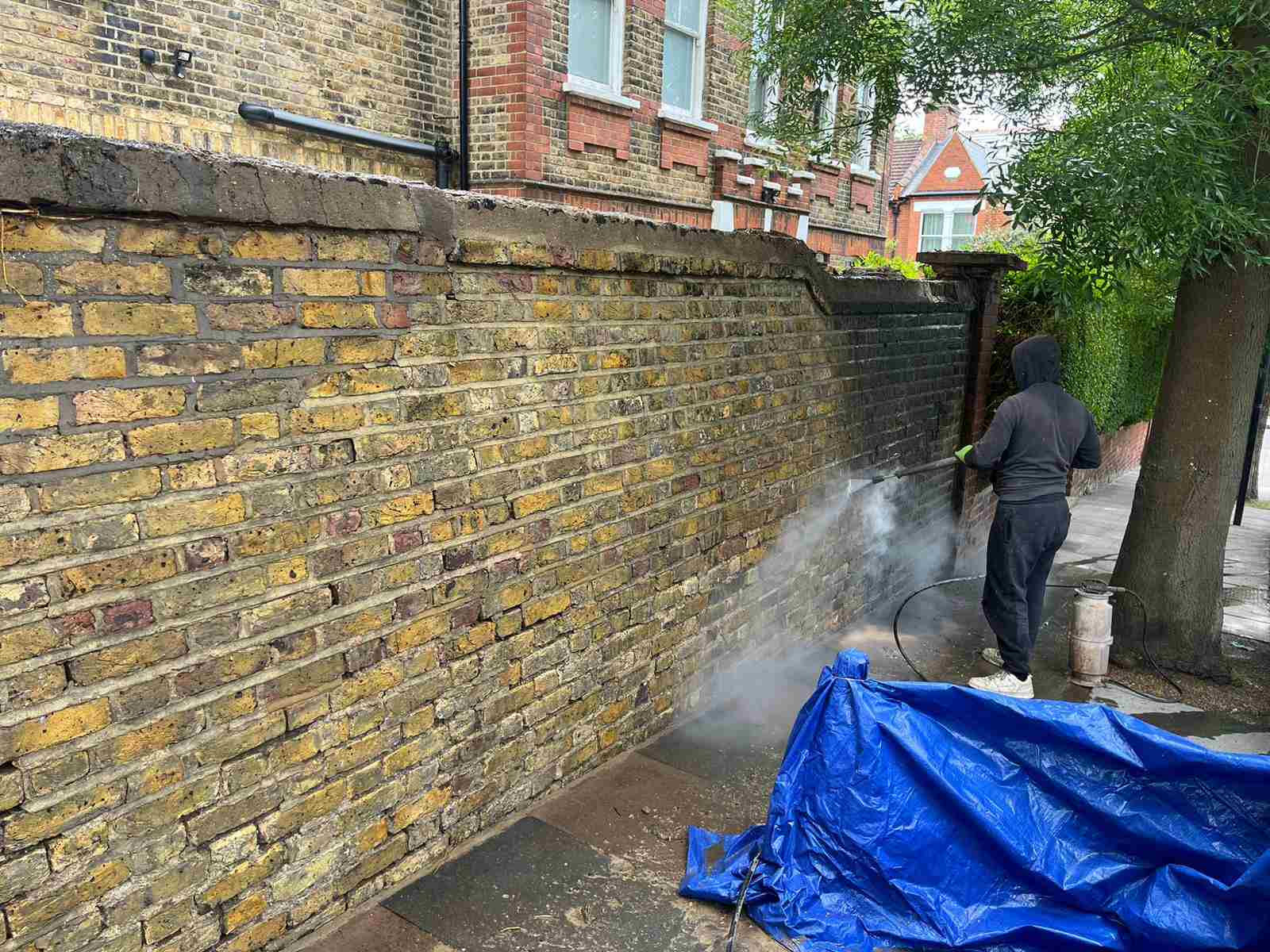
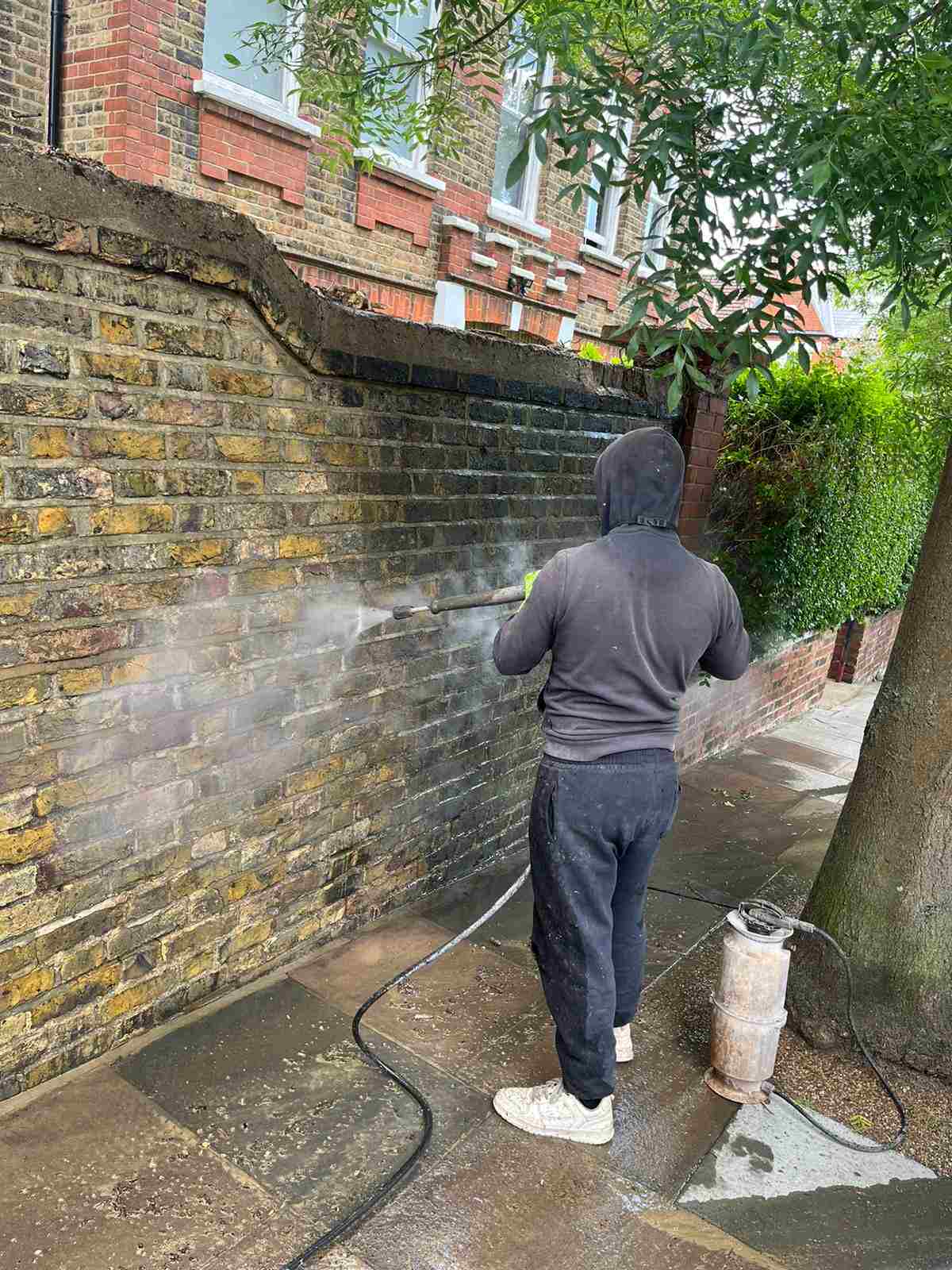
DW Brickwork Restoration already uses this property-specific approach on its London paint-removal work, including inspection, test cleaning, DOFF steam cleaning, gel-based stripping and manual detail work.
Why Victorian Brick Needs Special Care
Victorian buildings account for a significant part of London’s architectural character.
Many contain traditional bricks that differ substantially from modern masonry products.
Older brickwork may be:
- Relatively soft
- Highly porous
- Irregularly fired
- Handmade or traditionally manufactured
- Combined with lime mortar
- Already weathered for more than a century
- Previously repaired with harder cement mortar
A technique that works perfectly on a modern engineering brick could damage an older London stock brick.
The objective should therefore never be simply:
“Remove the paint as quickly as possible.”
The better objective is:
“Remove as much inappropriate paint as safely practical while preserving the original brick surface.”
Why Was Victorian Brickwork Painted in the First Place?
There are many possible reasons.
Paint may have been added to:
- Modernise the appearance
- Cover pollution staining
- Hide mismatched repairs
- Conceal damaged bricks
- Change the property’s colour
- Cover an earlier coating
- Attempt to address moisture problems
- Match neighbouring properties
In some cases, a façade may have been repainted repeatedly for decades.
That means the contractor may not be dealing with one coat.
There could be:
modern masonry paint + older exterior paint + primer + previous repairs + original brickwork
beneath the visible surface.
Is Painted Victorian Brick Always Worth Stripping?
No.
This is an important expectation to set.
Some properties reveal beautiful original brickwork.
Others reveal:
- Mismatched brick repairs
- Filled cracks
- Altered openings
- Cement patches
- Damaged brick faces
- Poor-quality masonry
- Extensive staining
Paint may even form part of the historic character of certain buildings.
Historic England advises that exterior changes to listed buildings may need consent where they affect the building’s character.
For listed or historically significant properties, check with the relevant local authority or conservation professional before making major changes to the façade.
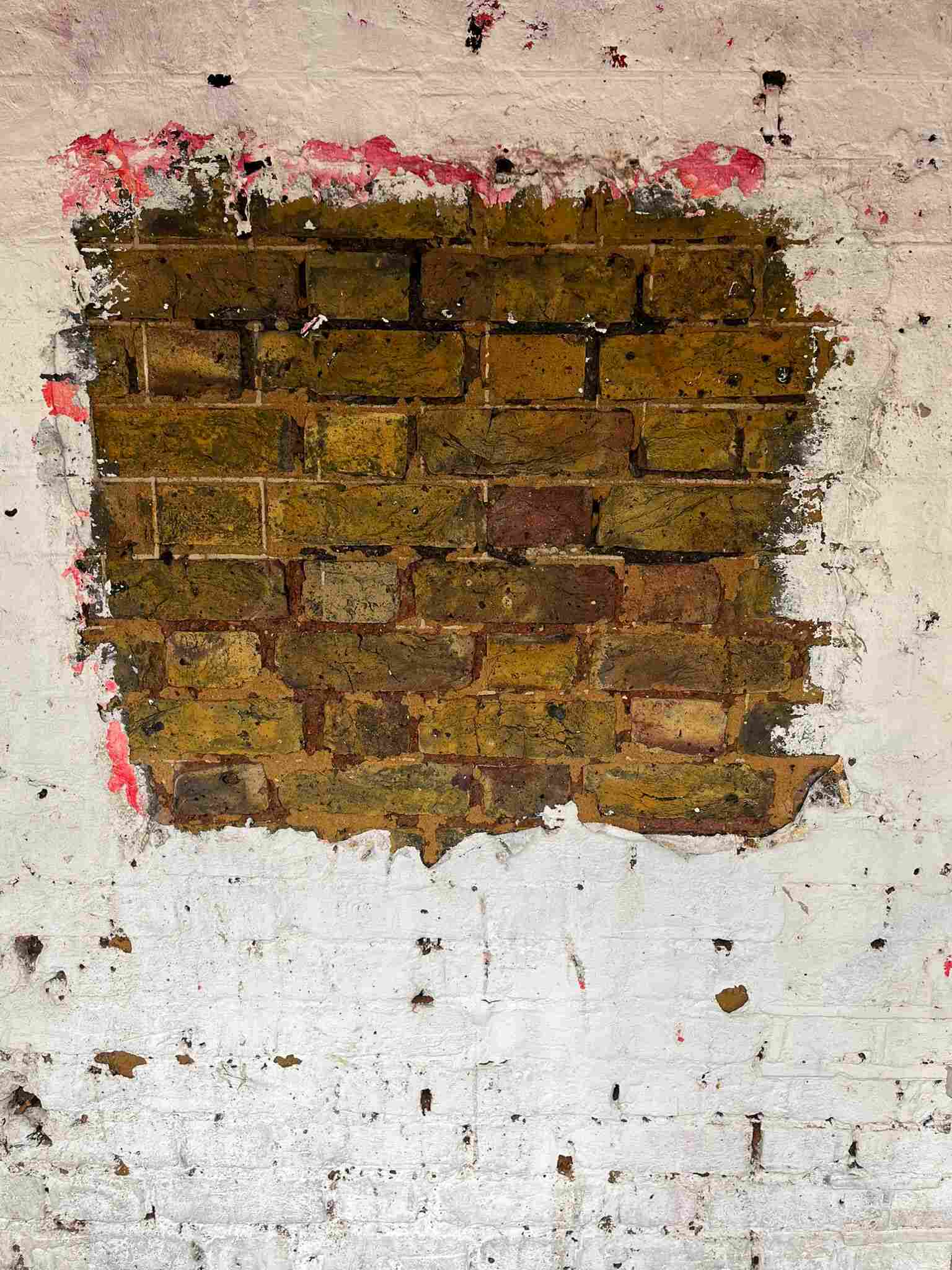
Why Is a Test Patch Essential?
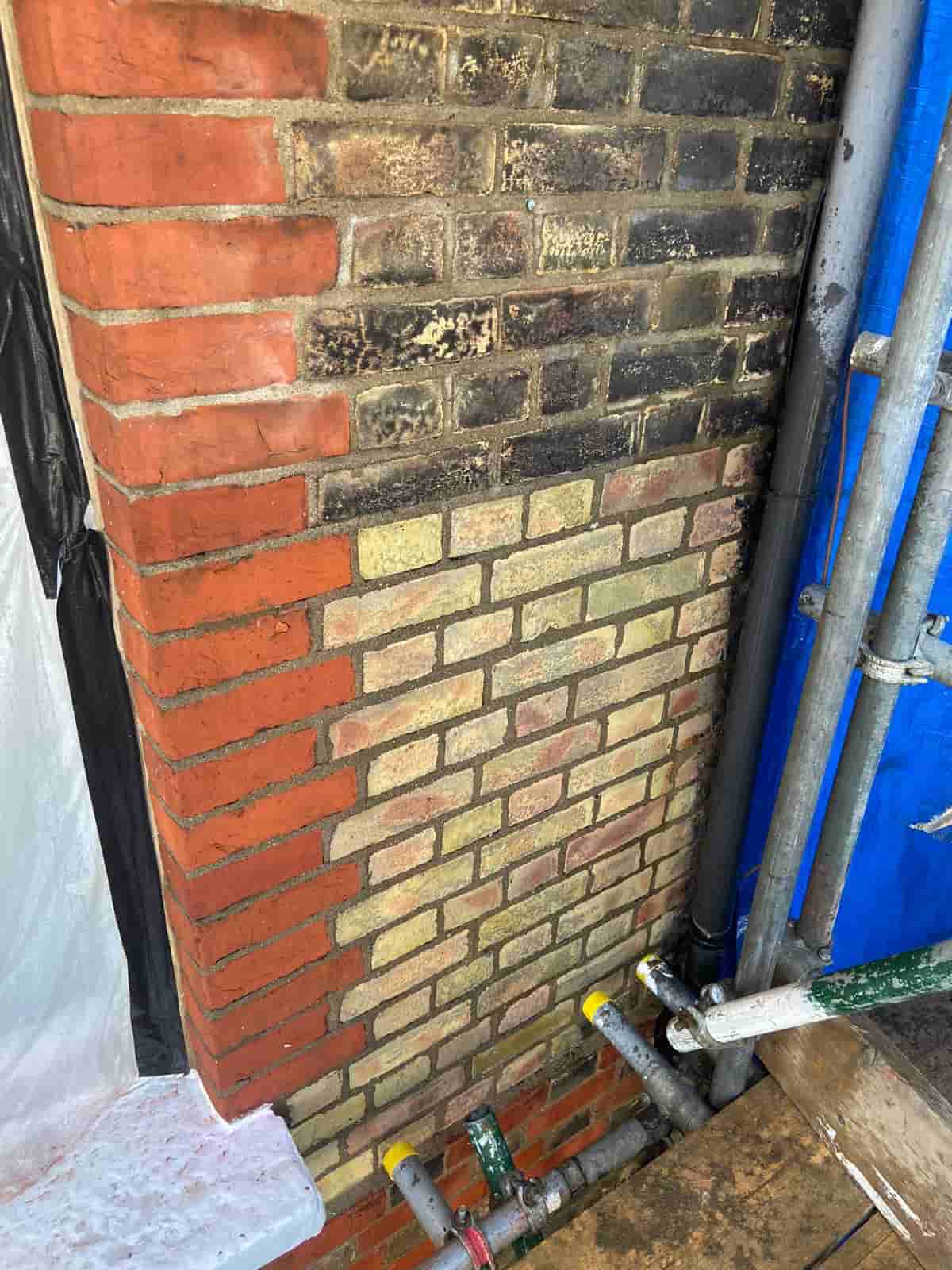
A test patch is probably the most valuable step in Victorian brick paint removal.
A small discreet section allows the contractor to see what is actually happening beneath the coating.
It can reveal:
| Test Patch Finding | Why It Matters |
| Number of paint layers | Determines removal difficulty |
| Paint response | Helps select stripping method |
| Brick hardness | Indicates how gently cleaning must proceed |
| Original colour | Shows likely finished appearance |
| Brick-face condition | Reveals existing deterioration |
| Mortar type | Helps plan later repointing |
| Residual staining | Sets realistic expectations |
| Previous repairs | May change restoration scope |
DW’s Central and South London paint-removal pages already describe a test patch as part of the working process before the chosen removal method is applied.
This should become a strong trust point throughout the website.
What Is the Safest Way to Remove Paint From Victorian Brick?
There is no universal answer.
Professional restoration may use one or several methods.
1. Specialist Gel-Based Paint Stripping
Paint stripping products can soften multiple layers so they can be removed with less mechanical force.
This may be particularly useful when:
- Paint is thick
- Several coatings exist
- Brick is soft
- Fine detailing needs protecting
- High-pressure cleaning would be inappropriate
However, chemical choice matters.
Historic England notes that chemicals such as caustic soda used during paint removal can introduce soluble salts into porous masonry. Those salts can later absorb moisture or crystallise within the material and contribute to deterioration.
This is why professional product selection, dwell time and rinsing are important.
2. DOFF Steam Cleaning
DOFF uses superheated water at controlled pressure.
For suitable projects it can help:
- Soften paint
- Remove residual coatings
- Remove grime
- Clean biological growth
- Reduce the need for aggressive pressure
DW already describes DOFF steam cleaning as one of its principal methods for old and delicate brickwork on its London Paint Removal pages.
DOFF does not automatically remove every paint system.
Thick or resistant coatings may require pretreatment with an appropriate stripping product.
3. Manual Detail Removal
Victorian façades often contain architectural areas that cannot simply be treated as one flat surface.
These include:
- Window arches
- Decorative brick bands
- Corners
- Door surrounds
- Mouldings
- Stone details
- Fine mortar joints
Once paint has been softened, careful manual work can help remove residue without unnecessarily altering those details.
DW’s existing Central and South London pages already describe manual cleaning for corners and architectural details.
4. Controlled Specialist Abrasive Cleaning
There are circumstances where a controlled abrasive restoration method can help remove stubborn residues.
However, this should be approached very differently from traditional aggressive sandblasting.
DW’s West and South London pages appropriately describe controlled abrasion as something used selectively—particularly on stronger masonry rather than automatically on delicate historic brick.
For Victorian brick, a test panel should always come first.
Why Aggressive Sandblasting Is Risky
Paint may disappear quickly under aggressive abrasive treatment.
Unfortunately, so can the surface of the brick.
Potential damage includes:
- Loss of the fired brick face
- Increased porosity
- Rounded brick edges
- Changed surface texture
- Mortar erosion
- Uneven colour
- Permanent architectural damage
Historic England warns more broadly that inappropriate cleaning by inexperienced contractors can significantly damage historic building surfaces.
Once the original brick face has been removed, it cannot simply be put back.
Can You Pressure Wash Paint Off Victorian Brick?
A powerful pressure washer may remove loose paint.
That does not make it a suitable restoration technique.
High water pressure can damage:
- Soft brick faces
- Old mortar
- Decorative details
- Already spalled areas
It may also force water more deeply into vulnerable masonry.
A Victorian façade should therefore not be approached as though it were a modern concrete patio.
Heat, controlled pressure, paint softening and careful manual removal are usually more appropriate considerations than simply increasing pressure.
What Is London Stock Brick?
London stock brick is one of the defining materials of London’s historic streetscape.
Its appearance can range from:
- Yellow
- Buff
- Brown
- Orange
- Darker fired tones
Natural variation is part of its character.
When paint is removed successfully, homeowners are sometimes surprised that the façade isn’t perfectly uniform.
That is normal.
Historic London brickwork may contain:
- Different firing colours
- Weathering
- Small imperfections
- Historic repairs
- Replacement bricks
Successful restoration should preserve that character rather than make the wall look artificially new.
Can Paint Removal Damage Lime Mortar?
Yes.
This is another reason Victorian façades require careful treatment.
Traditional lime mortar can be considerably softer than modern cement mortar.
Aggressive:
- Pressure washing
- Abrasion
- Scraping
- Chemical treatment
can damage joints.
Once the paint is removed, mortar should be inspected for:
- Deep erosion
- Missing sections
- Cracking
- Powdering
- Previous cement repair
Sound historic mortar should not automatically be removed.
Where joints have genuinely failed, appropriate repointing can follow.
Can Paint Trap Moisture in Victorian Brickwork?
Some modern coatings can restrict moisture movement through traditional masonry.
Old solid-wall construction often manages moisture differently from modern cavity-wall construction.
Historic England advises that old walls need to be able to release moisture and specifically warns that painting brick, stone or concrete can contribute to damp problems when unsuitable coatings restrict evaporation.
However, it would be incorrect to say:
“Painted brick always causes damp.”
Damp may also result from:
- Gutters
- Roofing
- Flashings
- Plumbing
- High ground levels
- Drainage
- Cracks
- Condensation
Professional diagnosis should come before treatment.
Could Victorian Paint Contain Lead?
Potentially.
This requires particular attention.
HSE states that lead pigments were widely used in paints in older UK buildings and may remain beneath newer paint layers. It specifically identifies stripping older paint and blast removal as activities capable of creating hazardous lead dust or fumes.
A Victorian property may have accumulated several generations of paint over its lifetime.
Therefore old coatings should not be aggressively:
- Dry sanded
- Ground
- Burned
- Blasted
without proper risk assessment.
HSE advises planning paint-removal work carefully and controlling dust and fumes where lead may be present.
This is another strong reason why specialist exterior paint removal is preferable on extensively painted period façades.
How Can You Tell Whether Old Paint Contains Lead?
Colour alone will not reliably identify it.
The safest approach is to assume older paint layers may contain lead until assessment or testing indicates otherwise, particularly on properties with historic coatings.
Professional testing can be considered where the age and composition of the paint are uncertain.
This becomes particularly important where removal could generate:
- Dust
- Chips
- Fumes
or widespread debris.
What Happens After Paint Is Removed?
Paint removal is often only the first stage.
Once the masonry is exposed, the contractor can finally see the true condition of the façade.
A typical Victorian restoration may then require:
Brick cleaning
Removes residual staining and loosened coating.
Brick repair
Addresses damaged or spalled masonry.
Brick replacement
Heavily damaged bricks may need sympathetic replacement.
Mortar repair
Deteriorated joints become visible once coatings disappear.
Lime mortar repointing
May be appropriate where compatible with the original building.
Final detailing
Residual paint around edges and architectural features may require manual attention.
This is why a quotation should clarify whether it covers paint stripping only or a more complete brick restoration project.
Should Brickwork Be Repointed After Paint Removal?
Not automatically.
If the mortar is still sound, preserving it can be preferable.
Repoint where joints are genuinely:
- Crumbling
- Missing
- Deeply eroded
- Cracked
- Loose
rather than repointing simply because the wall is now exposed.
Can All Paint Be Removed From Victorian Brick?
Not always.
Brick is porous.
Pigment can penetrate:
- Surface pores
- Cracks
- Mortar
- Damaged brick faces
- Rough brick textures
Several historical paint layers may also respond differently.
A skilled contractor may safely remove the vast majority of the coating while small traces remain embedded.
Trying to eliminate the final microscopic traces at any cost can cause more damage than leaving them.
The correct priority is:
preserve the masonry first, maximise paint removal second.
Will Victorian Brick Look Brand New After Paint Removal?
It shouldn’t necessarily.
A 120- or 150-year-old façade naturally carries evidence of its age.
You may see:
- Colour variation
- Historical repairs
- Weathering
- Small chips
- Different bricks
- Old alterations
That does not indicate poor restoration.
Successful restoration should reveal authentic historic masonry, not produce a wall that looks as though it was built yesterday.
Can Paint Removal Reveal Serious Brick Damage?
Yes.
Paint can hide deterioration.
Once removed you may find:
- Spalling
- Cracks
- Soft bricks
- Failed mortar
- Cement repairs
- Old drill holes
- Former openings
- Structural alterations
The contractor should therefore discuss possible additional restoration work before the project begins.
A test area reduces—but cannot eliminate—the possibility of surprises.
Can Damaged Victorian Bricks Be Repaired?
Many can.
The appropriate treatment depends on the severity.
Options may include:
- Leaving minor historic wear
- Local repair
- Cutting out damaged bricks
- Replacing bricks with sympathetic matches
- Repointing surrounding joints
Replacement bricks should ideally match:
- Colour
- Texture
- Size
- Age
- Porosity
where practical.
Should Victorian Bricks Be Sealed After Paint Removal?
Not automatically.
Homeowners sometimes assume that newly exposed bricks should immediately receive a transparent waterproof coating.
That may not be appropriate for traditional masonry.
A coating should only be considered after assessing:
- Brick porosity
- Moisture condition
- Mortar
- Exposure
- Wall construction
Applying another inappropriate impermeable coating could undermine one of the reasons the original paint was removed.
Brick Paint Removal vs Repainting
Removing paint is not always the only solution.
Paint Removal May Be Appropriate When:
- Original brickwork is attractive
- Coatings are failing
- Natural brick is desired
- The paint is unsuitable
- Restoration is practical
Repainting May Sometimes Be More Appropriate When:
- Paint is historically significant
- Brickwork was historically intended to be painted
- Underlying masonry is unsuitable for exposure
- Complete stripping would cause excessive damage
Historic properties should be treated according to their actual construction and history rather than a blanket rule.
Victorian Brick Paint Removal in London
London contains extensive areas of Victorian housing, including properties throughout:
- Islington
- Camden
- Hackney
- Hammersmith
- Clapham
- Battersea
- Brixton
- Ealing
- Wandsworth
- Kensington
- Fulham
- Greenwich
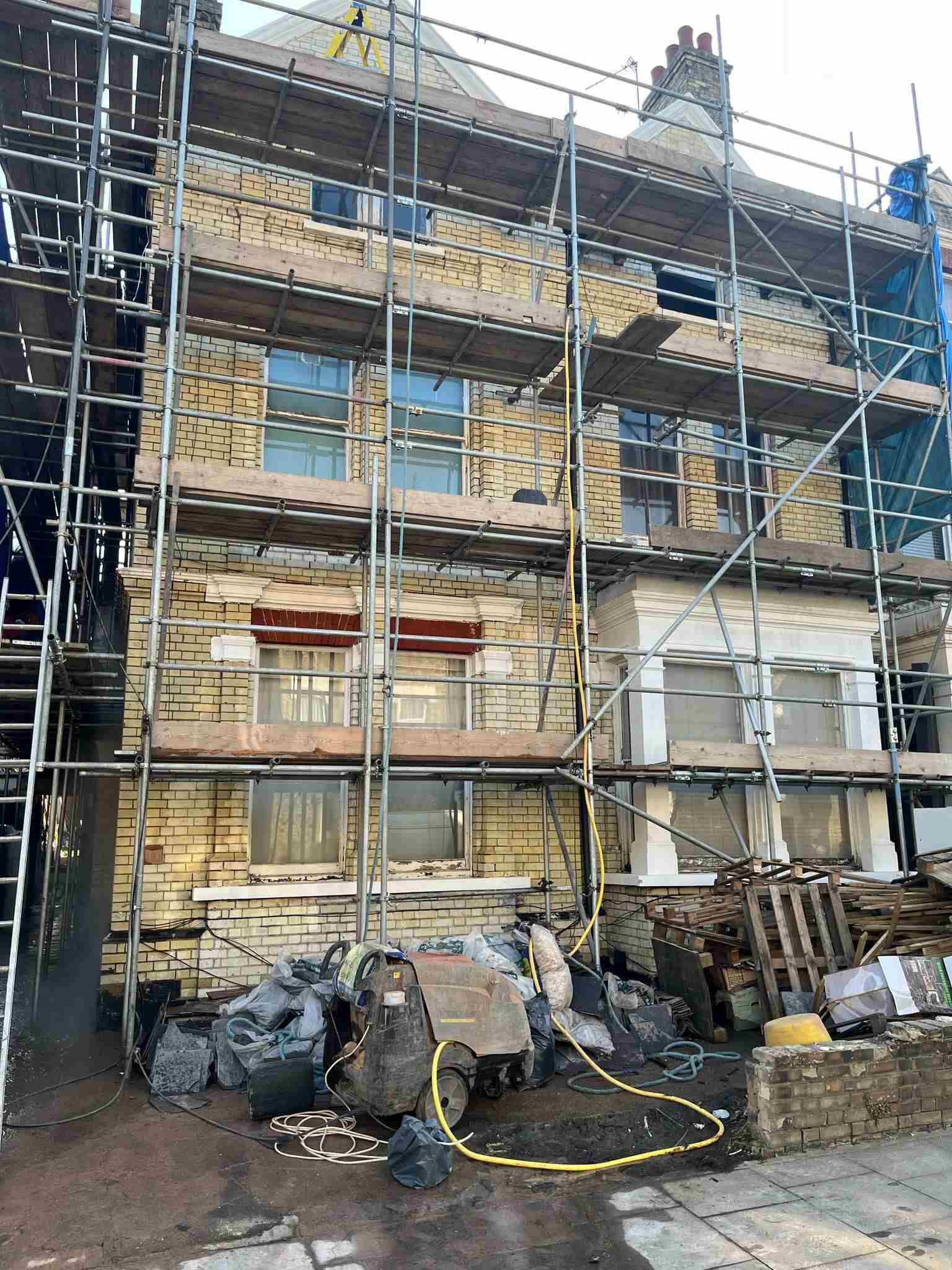
DW Brickwork Restoration already provides separate paint-removal coverage across Central, West and South London, using property-specific methods based on paint type, brick age and surface condition.
Why Choose a Brick Restoration Specialist?
Paint removal from Victorian brick should be considered restoration, not simply exterior cleaning.
The contractor may need to understand:
- Historic brick
- Lime mortar
- Paint systems
- Cleaning methods
- Moisture
- Brick repair
- Repointing
- Architectural detailing
DW Brickwork Restoration combines paint removal with wider services including brick cleaning, brick restoration and repointing, allowing the exposed masonry to be treated as one façade system rather than a standalone stripping job.
Get a Victorian Brick Paint Removal Quote in London
If layers of paint are hiding the original brickwork on your Victorian property, the best starting point is a professional inspection and test area.
This can help establish:
- What type of brick lies underneath
- How many paint layers exist
- Which removal method is appropriate
- Whether paint contains potentially hazardous old coatings
- Whether brick repairs are likely
- Whether repointing may be required
- What finished appearance is realistically achievable
Restore the Original Character of Your Victorian Property
Contact DW Brickwork Restoration for professional brick paint removal throughout London.
Call: 07400 421 172
Email: info@dwbrickworkrestoration.co.uk
Request a free, no-obligation site assessment and quotation.