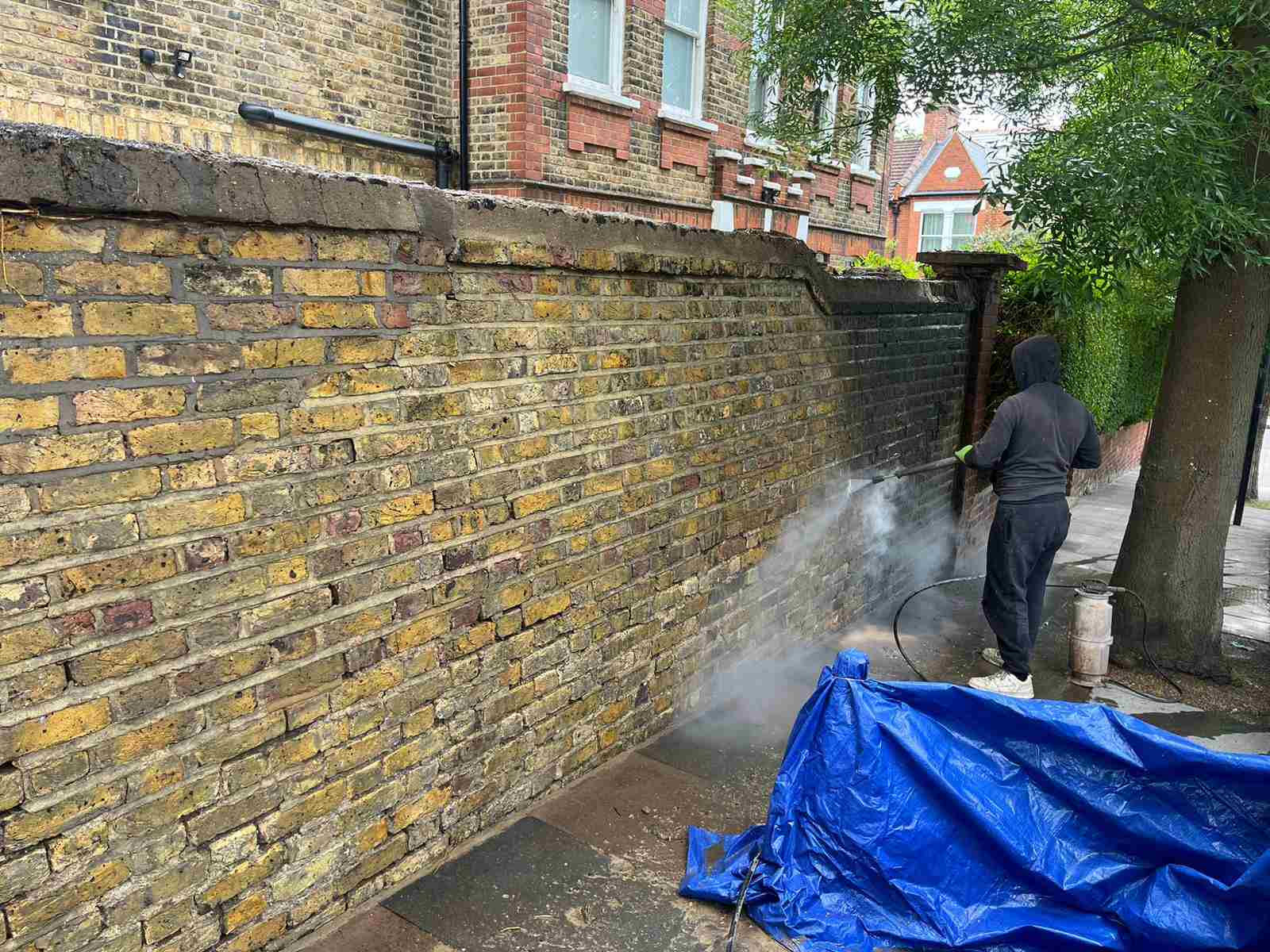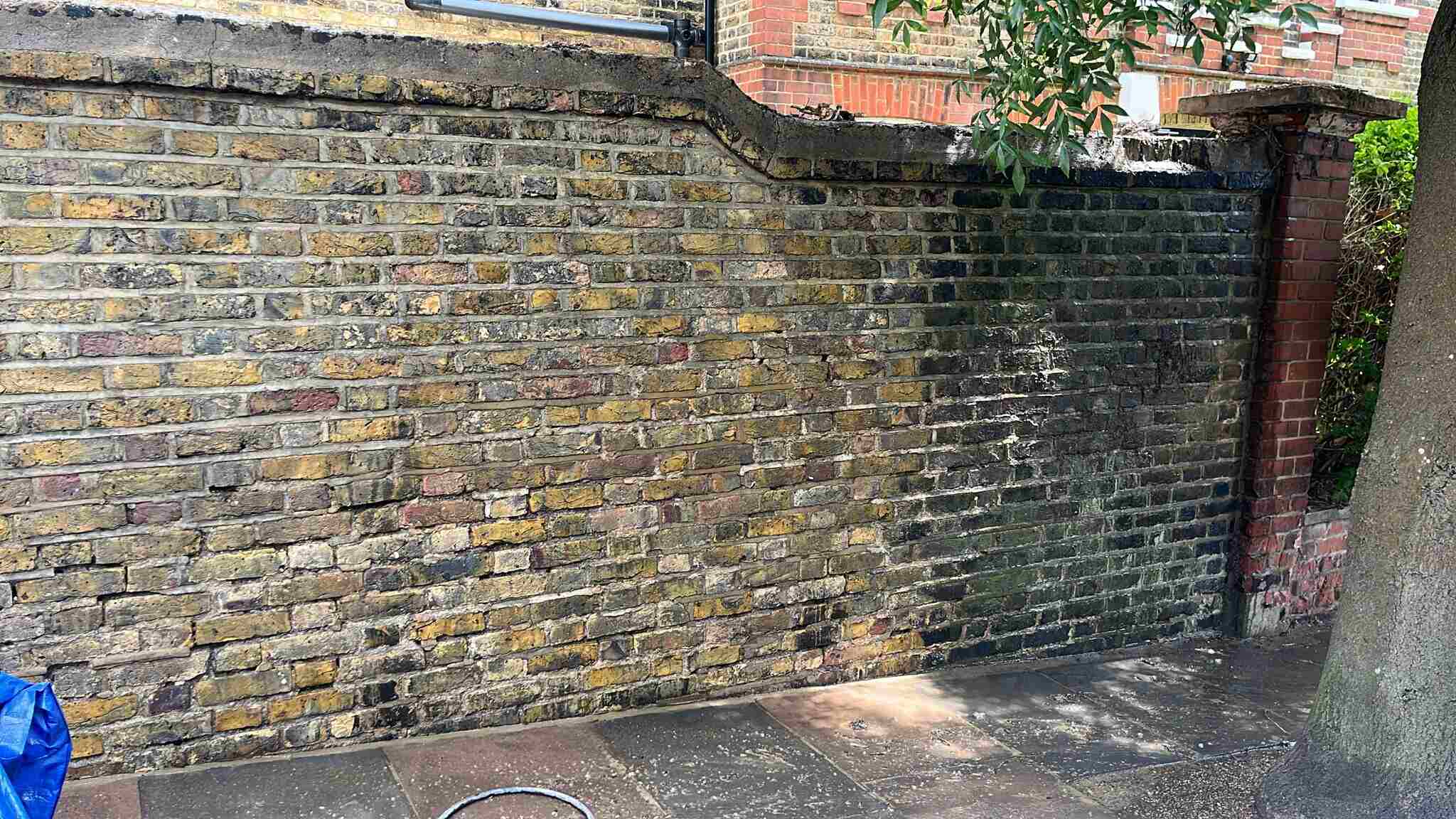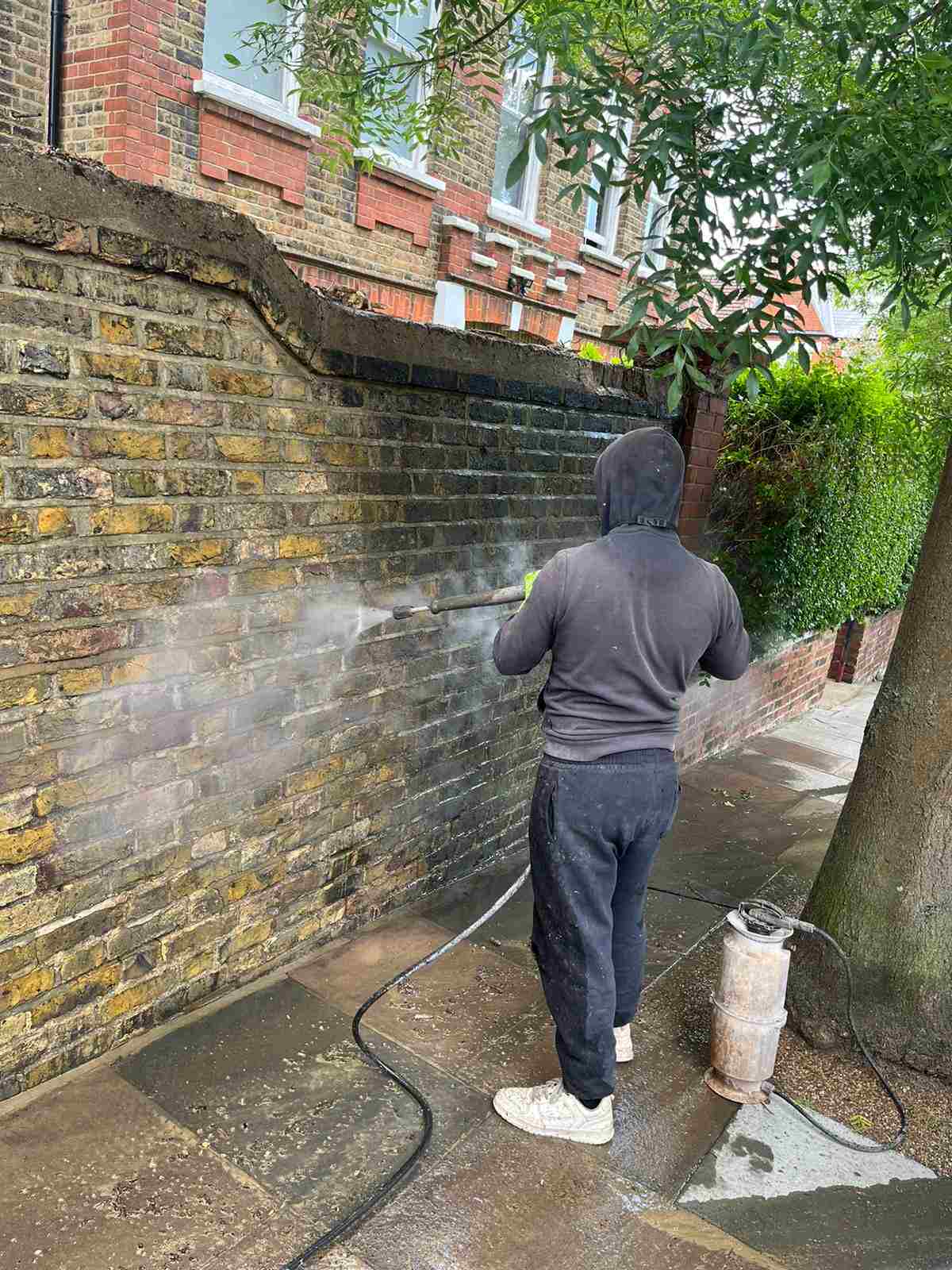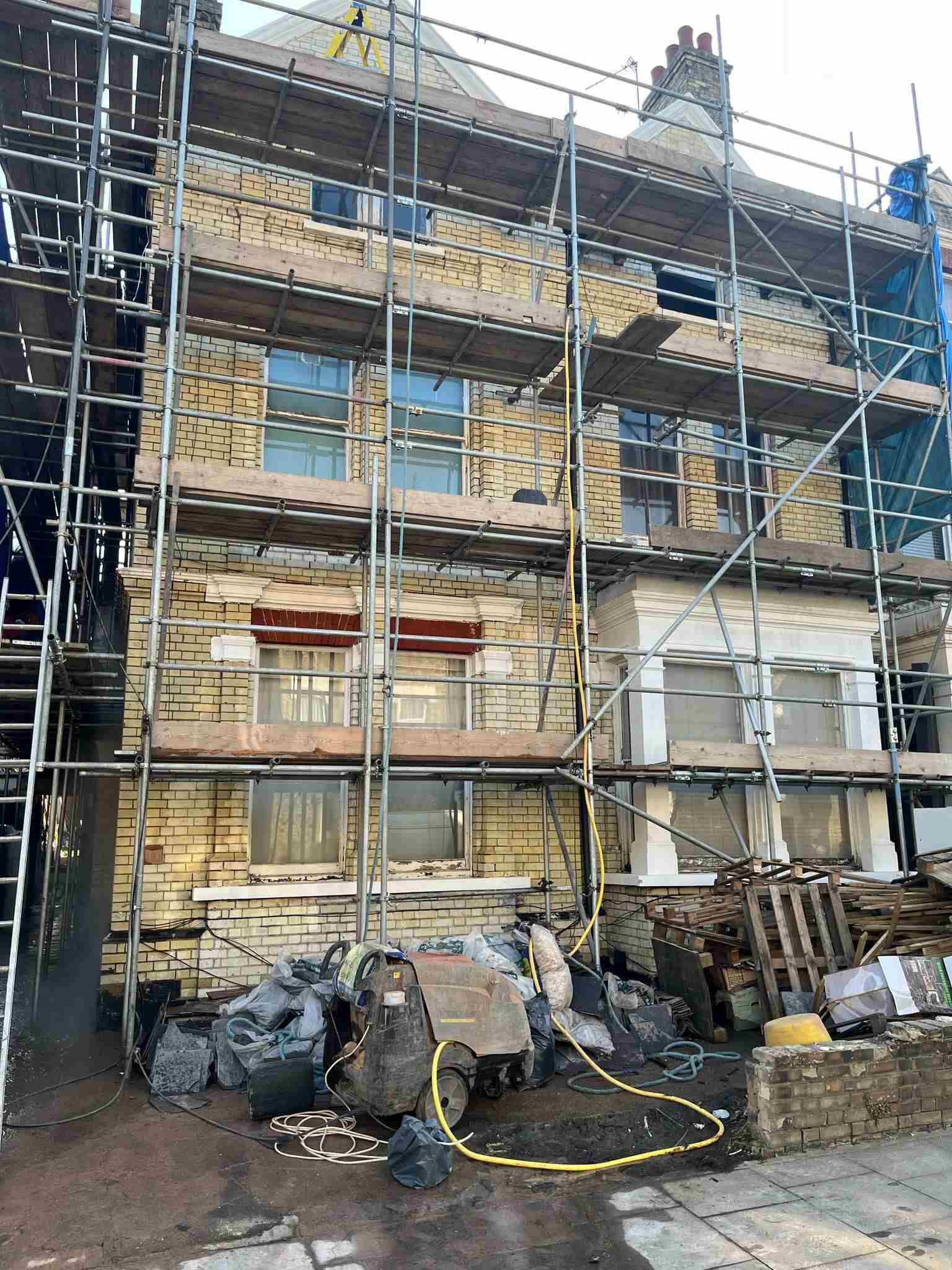
If the mortar between your bricks is cracking, crumbling or starting to disappear, repointing can help protect the brickwork before moisture and weathering cause more serious damage. But one of the first questions most London property owners ask is: how much does repointing cost?
In 2026, the cost of repointing a house in London depends on the size and condition of the brickwork, the type of mortar required, access, scaffolding, the depth of raking out and whether damaged bricks also need repairing.
As a broad market guide, standard brick repointing is commonly priced at around £50–£60 per m², although individual projects can fall above or below this range. Current UK cost guides also show that raking out old mortar, scaffolding and specialist lime mortar work can significantly affect the final price.
At DW Brickwork Restoration, every property is assessed individually because London brickwork can vary enormously between Victorian terraces, Edwardian houses, modern homes, commercial buildings and heritage properties.
If you are concerned about deteriorating mortar, a professional inspection can determine whether you need isolated repairs or complete repointing.
What Is Brick Repointing?
Repointing is the process of removing deteriorated mortar from the joints between bricks and replacing it with new, compatible mortar.
Mortar plays a much bigger role than simply filling the spaces between bricks. It helps:
- Hold the masonry together
- Protect joints from rain penetration
- Allow moisture to escape correctly
- Improve the appearance of the brickwork
- Reduce further deterioration
- Preserve older and period properties
Over many years, exposure to rain, frost, pollution and temperature changes can cause mortar joints to weaken.
London properties can be particularly susceptible because many older buildings have already undergone several generations of repair. In some cases, inappropriate cement-based mortar may also have been applied over older brickwork that originally relied on more breathable lime mortar.
When the existing mortar has reached the end of its useful life, repointing removes the failing material and creates new, properly finished joints.
How Much Does Repointing Cost in London in 2026?
There is no single price that applies to every property.
However, current 2026 UK market guidance provides the following useful benchmarks:
| Repointing Work | Typical Guide Price |
| Standard brick repointing | Around £50–£60 per m² |
| Raking out, where separately priced | Around £20–£50 per m² |
| Stone wall repointing | Around £60–£100 per m² |
| Front or side of a house | Roughly £1,500–£2,200 |
| Victorian terraced property | Roughly £3,000–£4,400 |
| Semi-detached house | Roughly £4,000–£5,000 |
| Chimney repointing | Roughly £500–£1,000 |
| Scaffolding | Often around £15–£25 per m² |
These figures are general market estimates rather than DW Brickwork Restoration quotations. The actual cost can vary considerably depending on your property’s size, access, mortar, condition and restoration requirements.
For London properties, a site survey is normally the best way to establish an accurate price.
What Affects the Cost of Repointing?
Two houses of similar size can require very different amounts of work.
Here are some of the biggest factors influencing the final brickwork repointing cost.
1. Size of the Area
Repointing is commonly calculated using the number of square metres being restored.
A small damaged section may require only localised repointing, while a complete house façade involves considerably more preparation, mortar removal and finishing.
Large projects can sometimes produce a lower average cost per square metre because equipment and setup costs are spread across a larger area.
2. Condition of the Existing Mortar
Removing badly deteriorated mortar may be relatively straightforward.
Hard cement mortar or previous inappropriate repairs can take considerably longer to remove safely.
The existing mortar needs to be carefully raked out to an appropriate depth without unnecessarily damaging the surrounding bricks.
This preparation stage is one reason why raking out and repointing costs per m² can vary substantially between properties.
3. Scaffolding and Access
Ground-level garden walls are much easier to reach than the upper storeys of a three-storey Victorian property.
Where scaffolding, towers or specialist access equipment are required, those costs need to be incorporated into the project.
Restricted access, conservatories, extensions and neighbouring properties can also make a façade more difficult to reach.
4. Lime Mortar vs Cement Mortar
The correct mortar should be chosen according to the age, construction and condition of the building.
Many Victorian, Georgian and other historic London properties were traditionally constructed using lime-based mortar.
Lime mortar is more breathable and flexible than many modern cement mixes, allowing moisture movement through the mortar joints.
Using excessively hard cement mortar with softer historic bricks can sometimes contribute to deterioration because moisture and movement may be transferred into the brick rather than the joint.
Specialist lime mortar repointing can therefore require additional preparation, experience and curing time.
5. Style of Pointing
Not every mortar joint is finished in exactly the same way.
Depending on the building, existing masonry and architectural period, pointing styles can include:
- Flush pointing
- Weather-struck pointing
- Recessed pointing
- Bucket-handle pointing
- Traditional lime finishes
- Specialist heritage finishes
Matching the original character of a period façade can require considerably more care than straightforward modern brickwork.
6. Brick Repairs
Once deteriorated mortar is removed, additional brick damage may become visible.
Bricks can suffer from:
- Cracking
- Spalling
- Frost damage
- Previous drilling
- Failed repairs
- Paint damage
- Water damage
- Surface erosion
Where necessary, damaged bricks may need repairing or carefully replacing before the repointing is completed.
7. Cleaning and Restoration Work
Repointing is often completed as part of a wider brick restoration project.
A façade may also require:
- Brick cleaning
- Paint removal
- Render removal
- Pebble dash removal
- Brick replacement
- Stain removal
- Masonry restoration
Combining related restoration work into one carefully planned project can produce a much more complete result.
How Much Does Repointing Cost Per m²?
Current UK cost guides commonly place standard brick repointing at approximately £50–£60 per m², although prices vary according to preparation, access and project complexity.
A simple calculation illustrates why the square-metre rate alone should not be treated as a final quotation.
For example, if a project involved 40m² of straightforward brickwork at a hypothetical £55 per m², the basic calculation would be:
40m² × £55 = £2,200
But this does not automatically mean the project will cost £2,200.
The final quotation could also need to account for:
- Scaffolding
- Raking out
- Brick repairs
- Lime mortar
- Difficult access
- Waste removal
- Cleaning
- Decorative or specialist pointing
- Protection of neighbouring surfaces
For that reason, online repointing calculators are useful for budgeting but should not replace an inspection.
How Much Does It Cost to Repoint a Victorian House?
London has a huge number of Victorian and Edwardian properties, and these buildings often require a more sympathetic approach than modern masonry.
Current 2026 market guides place full repointing of a Victorian terraced property broadly around £3,000–£4,400, although actual costs depend heavily on façade size, access, mortar and condition.
Older homes may require:
- Traditional lime mortar
- Careful removal of hard cement repairs
- Replacement of damaged period bricks
- Colour and texture matching
- Sensitive cleaning
- Appropriate pointing profiles
Cheap or overly aggressive repointing can change the appearance of historic brickwork and may cause long-term problems.
Preserving original materials wherever practical is therefore an important part of quality brick restoration.
Lime Mortar Repointing Cost
The cost of lime mortar repointing will depend on the condition of the property, mortar specification, joint depth and working conditions.
Lime mortar work may take longer because the existing mortar needs to be removed carefully and the new mortar needs appropriate conditions to cure correctly.
The cheapest mortar is not necessarily the correct mortar.
For older London properties, choosing a compatible mortar can be far more important than saving a small amount on the initial project.
A professional brickwork survey should consider:
- Age of the building
- Type of brick
- Existing mortar
- Exposure to weather
- Previous repairs
- Moisture behaviour
- Architectural character
This helps determine an appropriate mortar specification.
What Are the Signs Your House Needs Repointing?
Repointing should ideally be completed before mortar deterioration develops into more extensive masonry problems.
Look for these warning signs:
Crumbling Mortar
If mortar falls away when lightly touched or brushed, it has probably deteriorated significantly.
Cracks in Mortar Joints
Cracking can allow water deeper into the masonry.
Missing Mortar
Visible gaps between bricks are a clear indication that joints require attention.
Recessed Joints
Mortar that has weathered deeply behind the face of the brick may no longer provide adequate protection.
Damp or Moisture Problems
Damaged joints can contribute to moisture penetration, although damp can have several causes and should be diagnosed correctly.
Loose Bricks
Movement in bricks or masonry requires investigation.
Previous Poor Repairs
Hard cement patches, mismatched mortar or badly finished joints can affect both appearance and performance.
Spalling Bricks
Brick faces that are flaking or breaking away can indicate moisture, frost damage or an incompatible repair history.
If you notice these symptoms, professional assessment can help establish whether localised repair or complete repointing is appropriate.
Can Repointing Help Prevent Damp?
Repointing can help reduce moisture penetration where damaged mortar joints are allowing rainwater into the masonry.
However, repointing should not be presented as a universal cure for damp.
Moisture problems can also come from:
- Roof defects
- Gutters
- Leaking pipes
- Failed flashing
- Ground levels
- Cracks
- Render defects
- Condensation
- Other building defects
The source of moisture should therefore be identified before deciding on the solution.
For historic buildings, breathable mortar can also be particularly important because the wall needs to manage moisture appropriately.
Should Old Cement Mortar Be Replaced With Lime Mortar?
Not automatically.
The correct mortar depends on how the property was originally constructed and the materials involved.
However, many traditional London properties were built using relatively soft and breathable lime mortar.
Where very hard cement mortar has been used inappropriately on softer historic brickwork, a specialist may recommend carefully removing it and repointing with a more compatible mortar.
The assessment should consider the building as a complete masonry system rather than simply replacing one mortar with another.
Repointing vs Pointing: What’s the Difference?
The terms are sometimes used interchangeably, but technically there is a distinction.
Pointing generally refers to finishing mortar joints during brick construction.
Repointing involves removing deteriorated mortar from existing masonry and replacing it with new mortar.
For older London homes, repointing is one of the most common forms of masonry maintenance and restoration.
Can I Repoint Brickwork Myself?
Small masonry repairs may appear simple, but successful repointing requires more than applying new mortar over old joints.
The work normally involves:
- Assessing the brick and existing mortar
- Removing deteriorated material to the correct depth
- Avoiding damage to brick edges
- Cleaning the joints
- Selecting compatible mortar
- Applying mortar correctly
- Compacting the joints
- Producing an appropriate finish
- Controlling drying and curing
Poor DIY repointing can leave shallow joints, smeared bricks, inappropriate mortar or moisture problems.
Period and heritage properties deserve particular care.
Does Repointing Increase Property Value?
Good repointing can improve both the condition and appearance of a property.
Fresh, appropriately finished mortar can make tired brickwork look dramatically better while also helping protect the masonry.
For homeowners planning to sell, properly maintained brickwork may create a stronger first impression and remove obvious maintenance concerns for prospective buyers.
The objective, however, should not simply be cosmetic.
High-quality repointing protects the underlying masonry and helps preserve the building for the long term.
How Long Does Repointing Last?
Quality repointing can last for decades when the correct mortar is used and the work is completed properly.
Its lifespan depends on factors such as:
- Mortar type
- Quality of workmanship
- Exposure to weather
- Building movement
- Condition of the bricks
- Maintenance
- Pollution
- Previous repairs
London façades exposed to prevailing weather or heavy pollution may naturally experience different conditions from more sheltered elevations.
Repointing Period Properties in London
London’s architectural character includes countless Georgian, Victorian and Edwardian brick buildings.
Restoring these properties requires consideration of both appearance and building performance.
At DW Brickwork Restoration, repointing can form part of a broader restoration strategy incorporating services such as:
- Brick restoration
- Brick cleaning
- Paint removal
- Render removal
- Pebble dash removal
- Brick repairs
- Traditional pointing and repointing
The objective is to preserve as much original brickwork as practical while repairing areas that have deteriorated.
DW Brickwork Restoration provides brickwork services throughout:
Why Choose DW Brickwork Restoration for Repointing in London?
Repointing is one of the most important maintenance procedures for ageing brickwork, particularly where the original character of the building needs to be retained.
DW Brickwork Restoration works with homeowners, landlords, property managers and commercial clients throughout London.
Our brickwork restoration approach focuses on:
- Careful assessment of existing masonry
- Appropriate mortar selection
- Skilled raking out
- Professional joint finishing
- Period-property restoration
- Brick repairs where required
- Traditional and modern brickwork
- Complete façade restoration
- Clear project quotations
- Services throughout London
Whether your property needs a small section repaired or extensive façade repointing, the first step is to establish the condition of the existing mortar and brickwork.
Get a Repointing Quote in London
If your mortar is cracking, crumbling, recessed or missing, delaying repairs can allow weathering to continue.
DW Brickwork Restoration provides professional repointing services throughout London, including Central, North, South, East and West London.
Contact our team to arrange an assessment and discuss the most appropriate approach for your property.
Need Your Brickwork Repointed?
Restore and protect your property’s brickwork with specialist repointing from DW Brickwork Restoration.
Call: 07400 421 172
Request a free brickwork quotation today.