Introduction
Brickwork isn’t just about the look — it’s a shield for your home. Mortar joints act like sealant between every brick, keeping moisture out, maintaining structural integrity, and even helping with insulation. If the mortar is failing, it’s often a sign that repointing is needed. At DW Brickwork Restoration, we see too many properties where small issues have turned into big ones simply because the warning signs were missed. Let’s go through what to look for, and why you shouldn’t wait.
What is Repointing & Why It’s Important
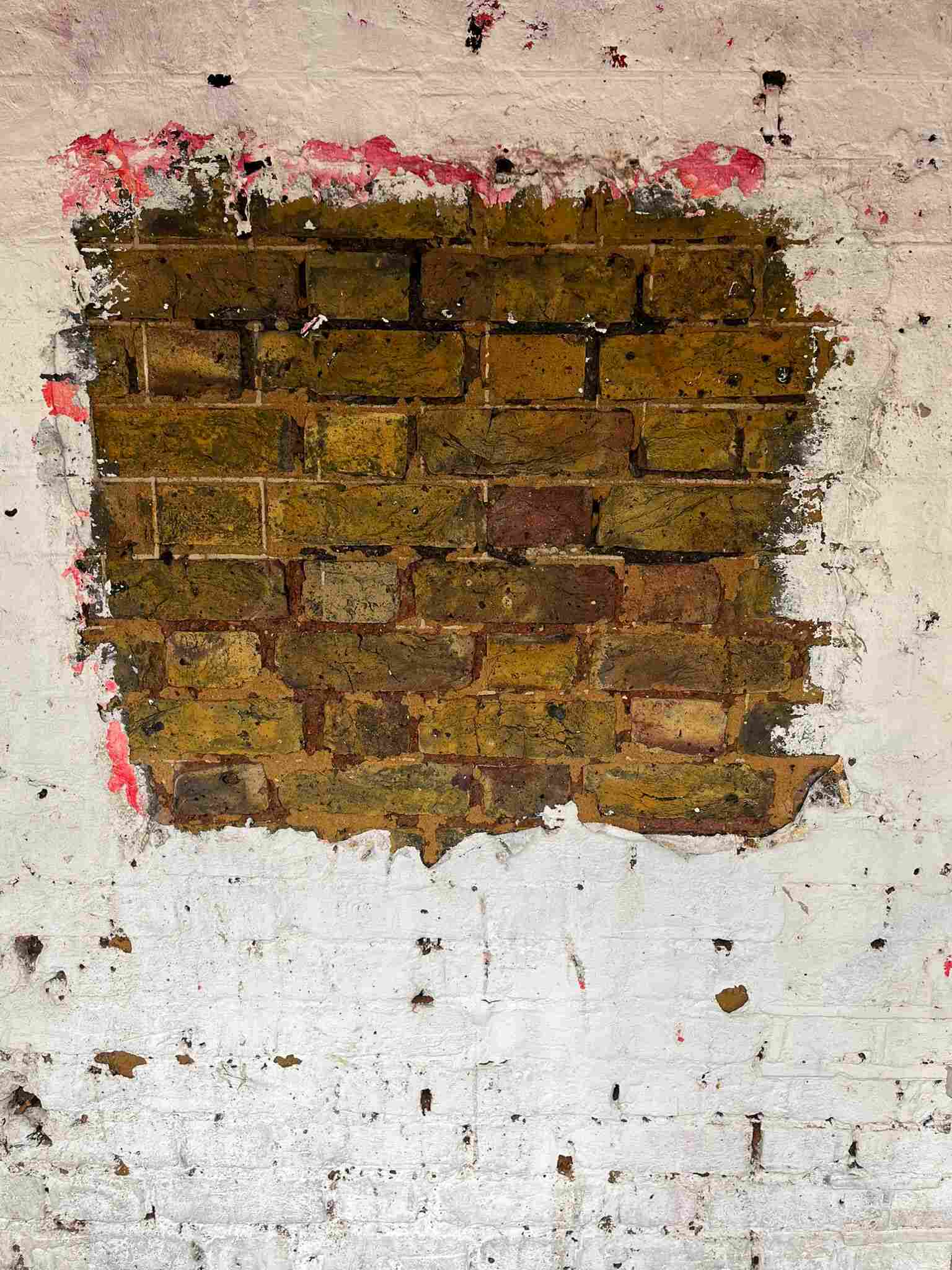
Repointing is the process of removing old, crumbling or damaged mortar between bricks, then refilling those joints with fresh mortar. It’s more than cosmetic: good mortar holds bricks tightly, prevents water penetration, resists frost damage, and ensures the wall behaves properly (expands, contracts, sheds water). For older or heritage properties, using the correct mortar (often lime‑based) is essential to preserve both look and function.
The Visual Clues – What You Can See
These are things you might notice from the outside:
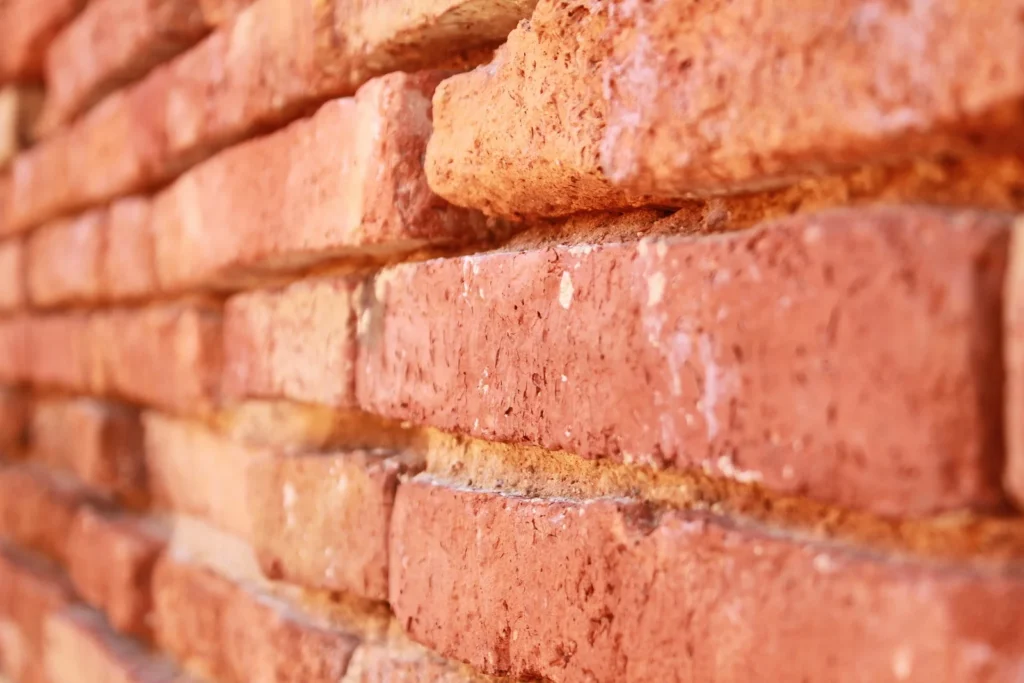
- Mortar that’s visibly crumbling, loose, or missing in joints.
- When you run your finger or a tool across a joint, it powder‑crumbles or comes away easily.
- Gaps or holes where mortar has washed out.
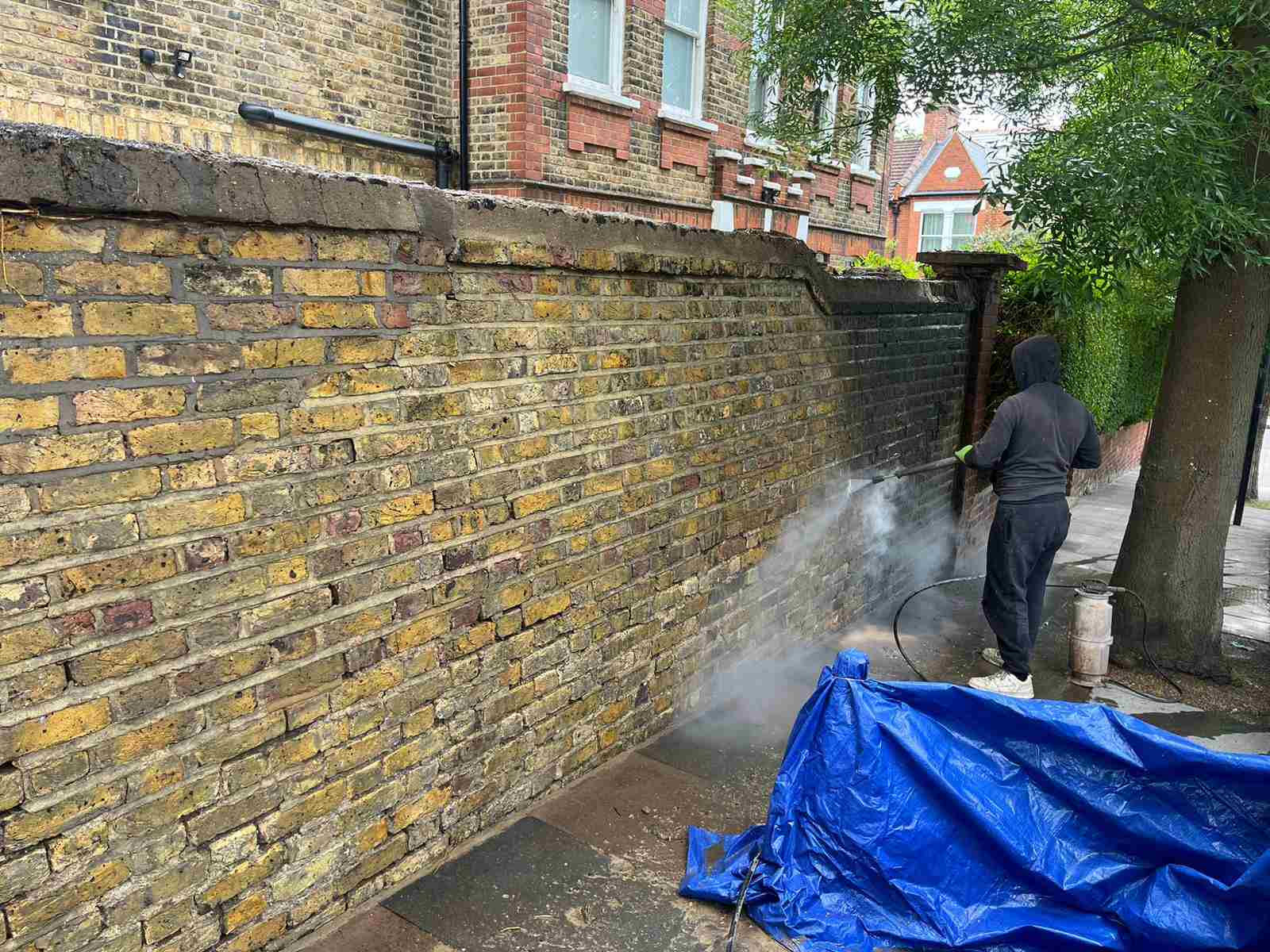
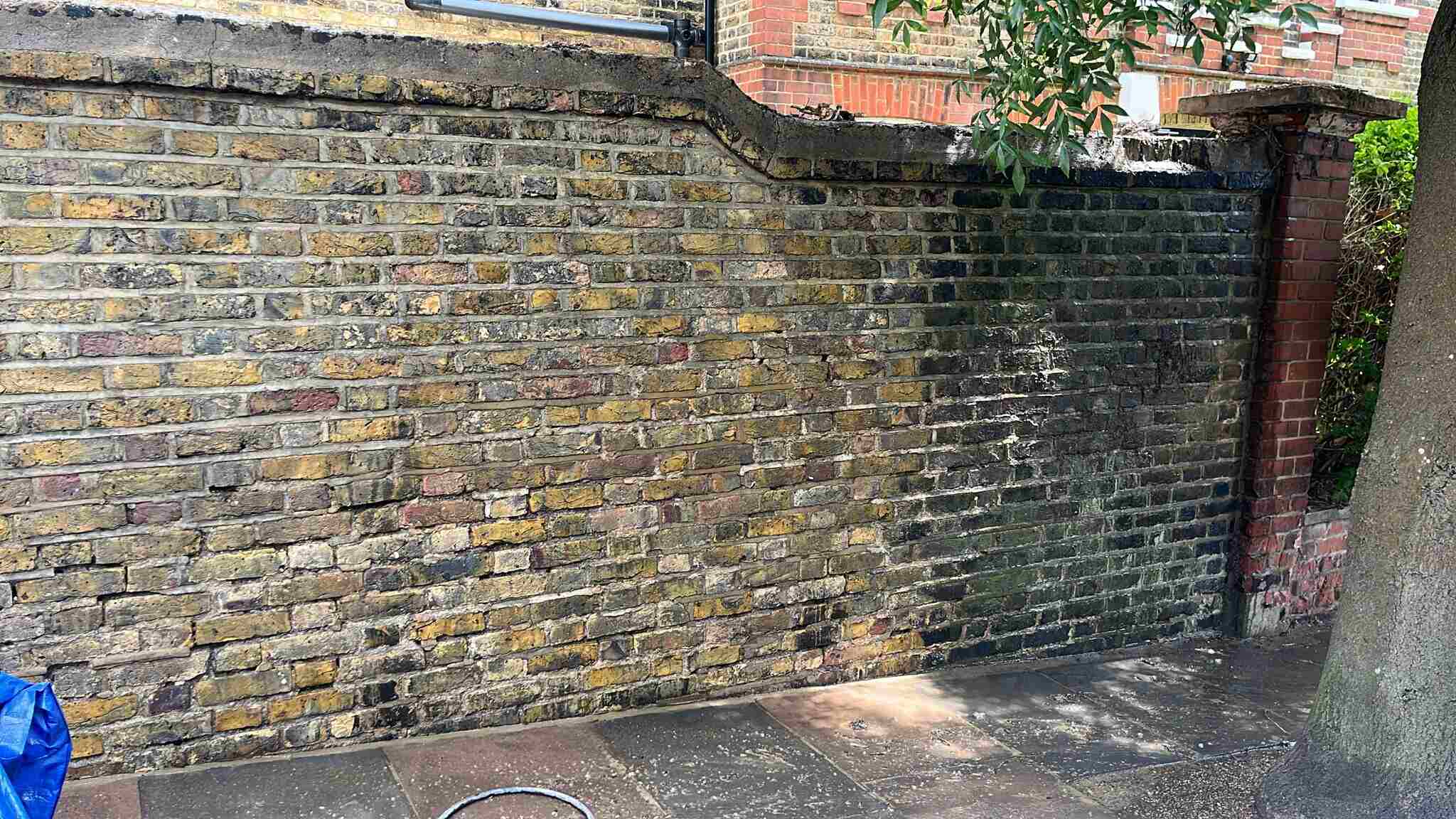
- Black streaks, moss or algae growing in joints (could indicate damp/retained moisture).
- Discoloured mortar or bricks—moisture or salts can cause staining.
Cracked or “spalled” bricks (the face flaking off) can indicate water getting behind the mortar.
Hidden Issues: What Might Be Lurking Behind the Surface
Even if your brickwork looks okay, there might be underlying damage:
- Cold spots inside your house or damp patches on interior walls can indicate moisture passing through weakened mortar.
- Rising damp caused by failed mortar or poor damp proofing allows water from the ground to travel up walls.
- Heat loss—gaps in mortar or moisture build up reduce insulation effectiveness.
- Structural movement: small shifts in brickwork or walls, often around door/window openings, that widen mortar cracks.
Mortar that’s become too hard (e.g. cement rich instead of lime) can cause the brick to deteriorate because it can’t “breathe.”
Why Delaying Repointing Costs More Than Just Money
- Water penetration will worsen small issues, leading to repairs of brickwork, plaster, insulation, or structural timbers.
- Freeze‑thaw cycles amplify damage, especially in winter.
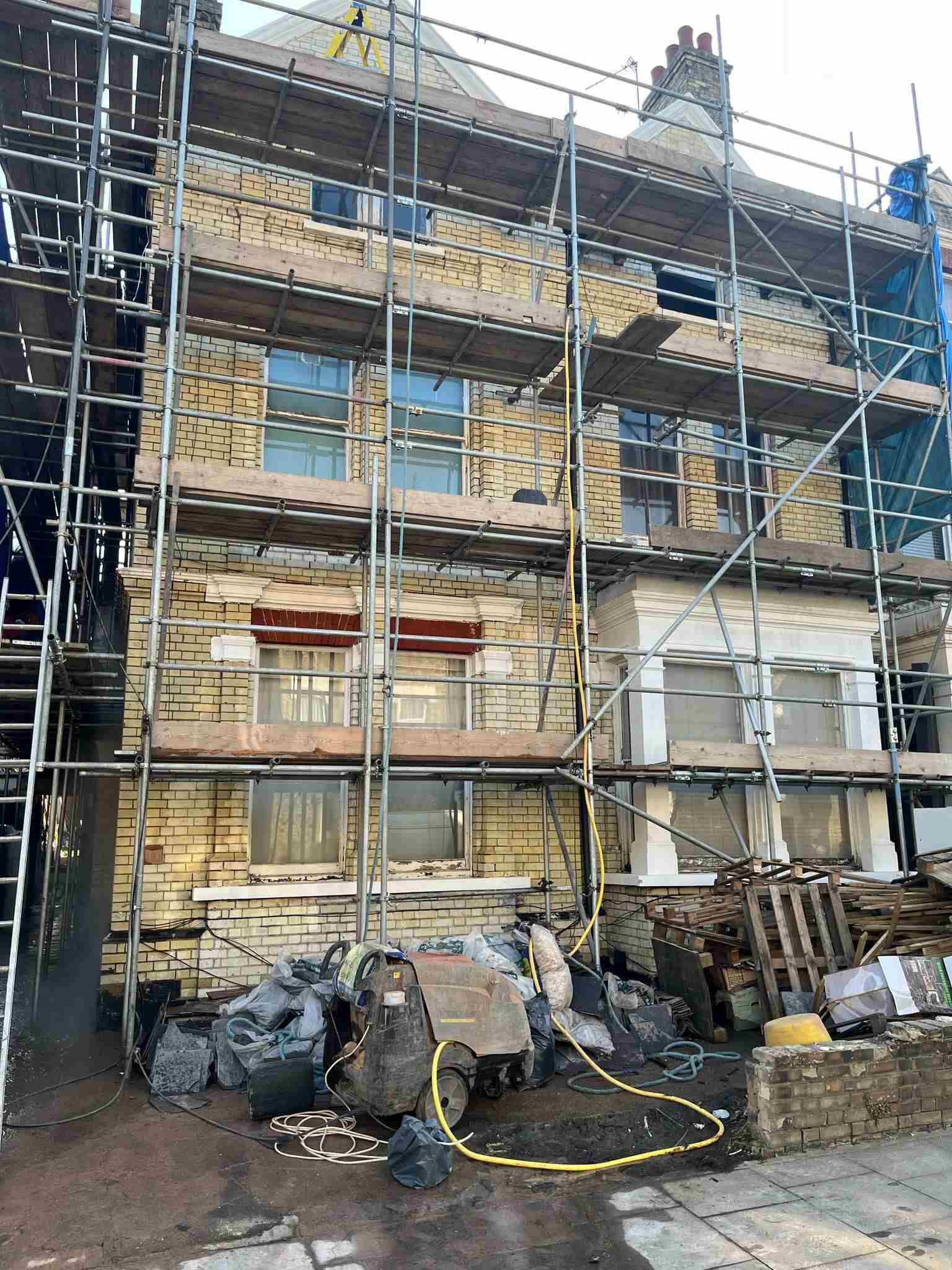
- More extensive work needed later may involve scaffolding, brick replacement, or even partial rebuilds—much more costly and disruptive.
Delay decreases property value and curb appeal. For heritage or listed homes, bad mortar can lead to compliance issues or penalties if restoration is required to certain standards.
How to Choose a Professional Repointing Service in London
Here are questions & criteria to consider when hiring:
- Experience with your type of brick and property age: London properties vary – stock bricks, red bricks, yellow bricks, heritage materials. You want someone who knows these differences.
- Mortar compatibility: Using lime mortar (or other breathable options) where needed. Avoid overly hard cement mortars on old brick.
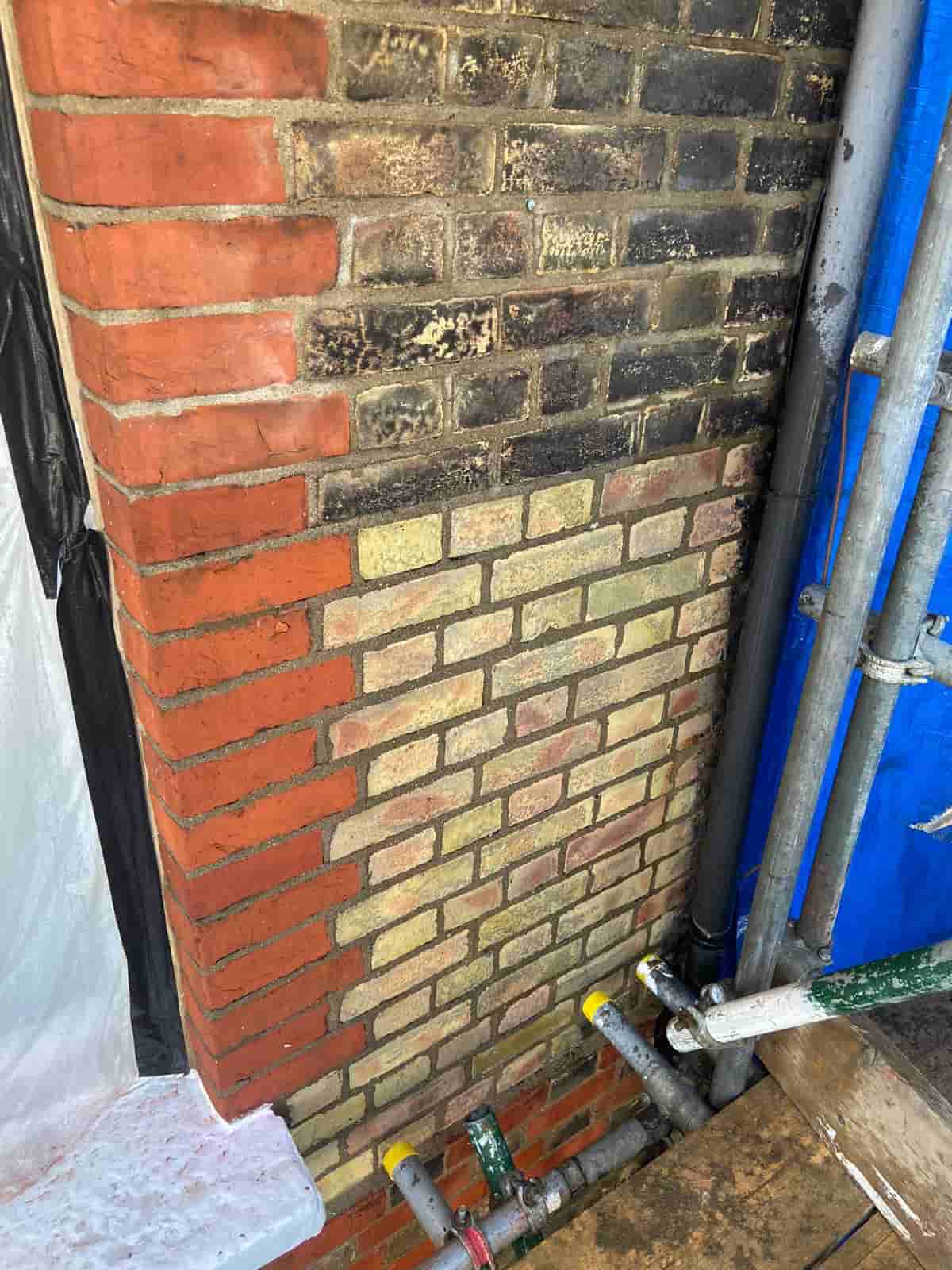
- References / before & after photos: Proof of work, examples on similar properties, good reviews.
- Insurance, guarantees, safety: Ensure the contractor is insured, follows health & safety, uses proper scaffolding.
- Clear, detailed quotations: The quote should itemise materials, labour hours, anticipated scope, timeline. Hidden costs or vague descriptions are red flags.
- Insurance, guarantees, safety: Ensure the contractor is insured, follows health & safety, uses proper scaffolding.
Conclusion
If any of the signs above sound familiar, it’s time to take action. Repointing early can protect your home’s structural health, save money, and maintain its character. DW Brickwork Restoration offers free inspections and impartial advice, so you can make the right decision. When you decide, we’ll be ready to help your brickwork last for decades to come.